Verification Protocols Reshaping Live Dealer Access and Global Payment Pathways
Casey Otto · Jul 18, 2026
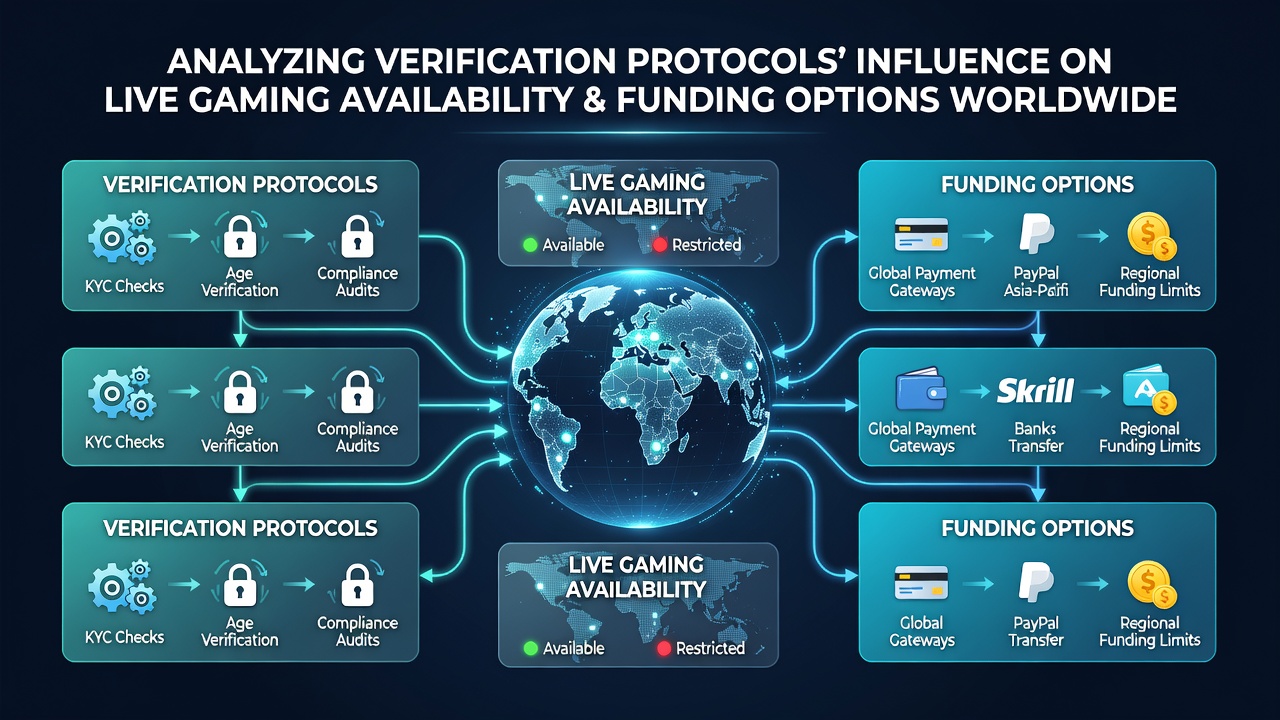
Verification Protocols Reshaping Live Dealer Access and Global Payment Pathways
Verification protocols have become central to how live gaming platforms operate across borders, and they directly shape both where these services remain available and which funding methods operators can support. Data from regulatory filings shows that identity checks, age verification systems, and anti-money laundering screenings determine licensing approvals, while payment processors tie their services to the same compliance layers. Researchers at academic institutions note that these requirements create measurable differences in market entry timelines and banking partnerships from one jurisdiction to another.
Core Components of Modern Verification Systems
Live gaming operators implement document uploads, biometric scans, and real-time database cross-checks before players gain access to dealer tables or before deposits clear. These steps connect directly to licensing conditions set by authorities in multiple regions, and they influence which banks or e-wallet providers agree to process transactions. Studies from European research groups indicate that platforms using automated verification complete onboarding 40 percent faster than those relying on manual review alone, yet the same automation must still satisfy varying national standards on data storage and retention periods.
Availability Patterns Across Major Markets
In jurisdictions with layered verification mandates, live dealer rooms often launch only after operators demonstrate full compliance with local identity rules, which delays market entry by months or years. Canadian provincial regulators, for example, require integration with national ID databases before any live stream can accept real-money wagers, and similar patterns appear in several Australian states where operators must link verification to state-run exclusion registers. Observers note that countries maintaining lighter or fragmented verification frameworks sometimes see faster rollout of new live tables, although those markets frequently face later restrictions when cross-border payment issues surface.
European operators face additional requirements under successive anti-money laundering directives that mandate ongoing monitoring of player activity, and these rules affect both the number of active live gaming sites and the range of currencies they accept. Data compiled by trade associations shows that markets enforcing centralized verification databases report lower rates of unlicensed platform usage compared with regions that leave verification entirely to individual operators.
Funding Options Tied to Verification Standards

Payment providers evaluate live gaming platforms based on the robustness of their verification workflows before approving merchant accounts or faster settlement times. Banks in North America and parts of Asia often demand proof that operators maintain continuous identity checks throughout the player lifecycle, and this requirement narrows the list of institutions willing to handle deposits and withdrawals. Figures released by industry research firms reveal that platforms with third-party verified KYC systems secure partnerships with an average of 12 additional payment rails compared with those using only internal checks.
Cryptocurrency funding channels present a contrasting case, where some operators integrate blockchain-based identity solutions that satisfy regulatory verification without exposing full personal details to every processor. Yet these options remain limited in regions where local laws still require traditional document submission regardless of the funding method chosen. Reports from regulatory bodies in Singapore and South Africa highlight how verification alignment between operators and banks determines whether instant bank transfers or card payments appear as available choices for players.
Regional Differences Emerging in Mid-2026
By July 2026 several jurisdictions plan updates to verification timelines that could further segment live gaming markets. Proposed changes in parts of Latin America aim to shorten approval windows for operators that already maintain accredited verification partners, while certain Middle Eastern markets continue to require in-person identity confirmation before any online funding link activates. These shifts connect directly to broader efforts at standardizing cross-border data sharing among financial intelligence units, and they affect which live dealer providers expand into new territories during that period.
Conclusion
Verification protocols continue to define both the geographic reach of live gaming services and the diversity of funding options that reach players. Regulatory filings and payment industry data demonstrate consistent links between compliance infrastructure and market access, while regional policy adjustments scheduled through 2026 suggest these connections will remain central to future platform development. Operators and financial partners that align their verification processes with multiple jurisdictional requirements gain measurable advantages in both availability and transaction flexibility across global markets.