The Influence of Multi-Device Support on Live Casino Interactions and Withdrawal Efficiency Across Regulated Operators
Taylor Lehmann · Aug 1, 2026
The Influence of Multi-Device Support on Live Casino Interactions and Withdrawal Efficiency Across Regulated Operators
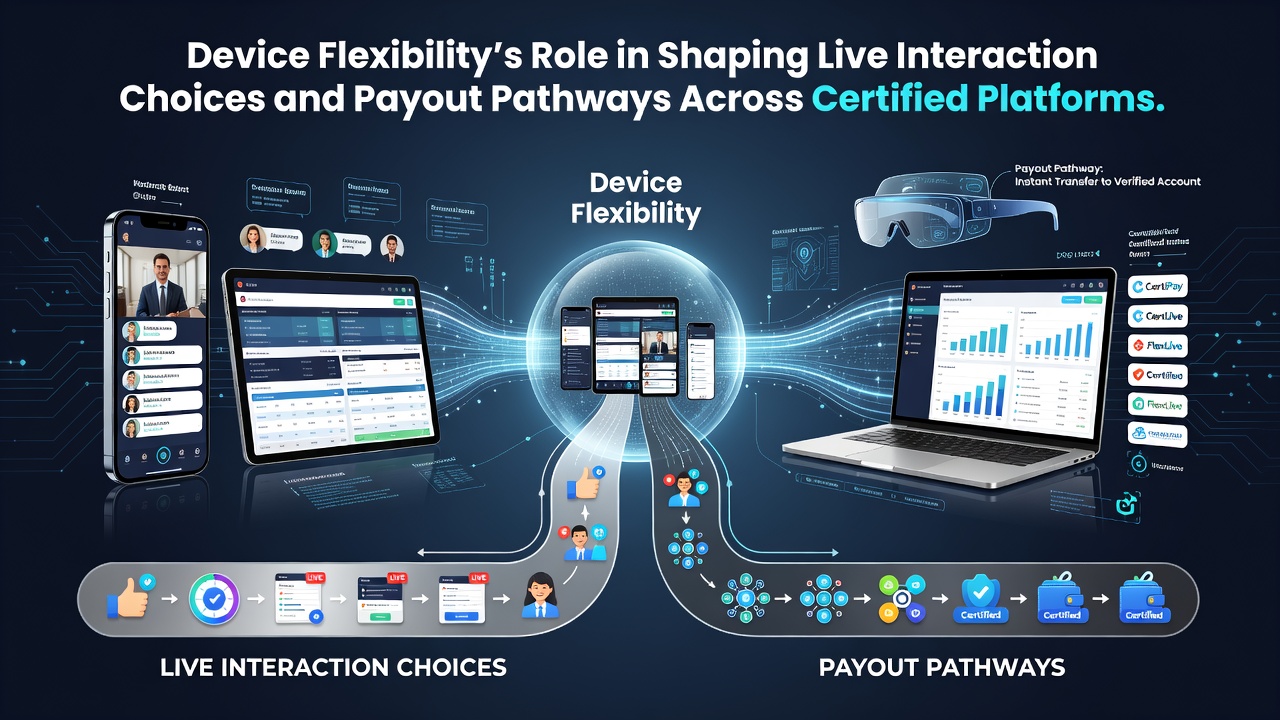
Device flexibility has become a central factor in how players approach live dealer sessions and select payout methods on certified platforms, and data from industry reports shows that operators who prioritize cross-device compatibility see measurable differences in user engagement patterns. Research indicates that platforms supporting seamless transitions between mobile, tablet, and desktop environments allow participants to maintain session continuity, which directly affects choices in live interaction formats such as roulette, blackjack, and baccarat streams. According to figures released by the European Gaming and Betting Association, operators with strong device integration report higher average session durations across multiple access points, and this pattern holds steady through mid-2026 projections.
Platform Certification Standards and Device Requirements
Certified platforms must meet technical benchmarks set by regulatory bodies that include compatibility testing for various operating systems and screen sizes, while experts note that these standards ensure live video feeds and interactive elements function without disruption regardless of the device in use. Observers have documented how certification processes evaluate payout pathways for consistency, meaning that withdrawal options such as e-wallets, bank transfers, and prepaid cards remain accessible and verified across desktop and mobile interfaces. In August 2026, several North American regulators are scheduled to review updated compliance guidelines that emphasize mobile verification protocols, and these reviews are expected to influence how certified sites structure their live game offerings and fund disbursement systems.
Live Interaction Choices Shaped by Device Access
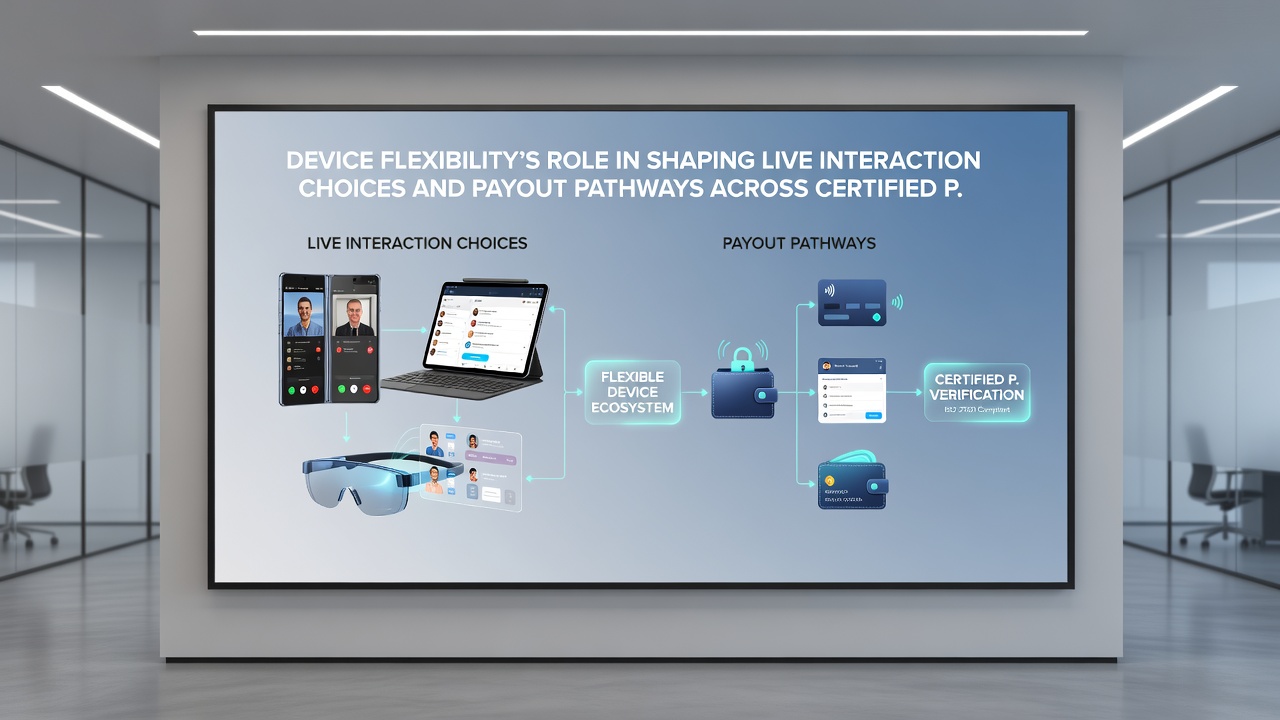
Players often select live dealer tables based on how well the platform adapts to their primary device, and studies from academic research centers reveal that mobile-optimized interfaces encourage participation in fast-paced games that require quick decisions and real-time chat features. Those who switch between devices during a single session tend to favor platforms that preserve game state and account settings, which reduces friction and supports continued engagement. Data shows that tablet users frequently choose multi-camera live experiences because larger screens enhance visual detail, whereas smartphone users gravitate toward simplified control layouts that maintain functionality without sacrificing security layers.
One analysis conducted by a European research institution found that device flexibility correlates with increased selection of live interaction formats over static game options, and this trend appears across both established and emerging markets. Certified platforms that implement responsive design principles allow participants to move between devices mid-session without losing progress or needing to restart authentication processes, and industry figures indicate this capability influences game selection more than promotional incentives in several tested regions.
Payout Pathways and Device-Driven Verification
Withdrawal efficiency on certified platforms depends heavily on how payment systems integrate with device-specific security features, and researchers have observed that biometric authentication available on newer mobile hardware accelerates verification steps for many users. Platforms that support device-agnostic payment gateways enable consistent processing times whether a player initiates a request from a desktop browser or a mobile application, and this consistency matters when regulatory frameworks require documented proof of identity across all access points. Evidence from regulatory filings suggests that operators investing in unified backend systems experience fewer delays in payout approvals because device flexibility reduces the need for separate verification workflows.
Those monitoring transaction data note that e-wallet options maintain high completion rates across device types, while bank transfer pathways sometimes require additional desktop confirmation steps on certain certified sites. This variation leads players to adjust their preferred payout method based on the device they use most frequently, and reports compiled by Canadian provincial gaming authorities highlight how these preferences stabilize when platforms enforce uniform security protocols regardless of access method.
Regional Developments and Certified Operator Responses
Across different jurisdictions, certified operators respond to device flexibility demands by updating their live streaming infrastructure and payment integrations, and this adaptation aligns with broader regulatory pushes for accessibility. Australian oversight bodies have published statistics showing increased mobile participation in live dealer categories, and these figures connect directly to improvements in payout pathway reliability on multi-device platforms. Observers point out that when operators align their systems with emerging device standards, they maintain certification status while expanding options for live interaction and fund transfers simultaneously.
Conclusion
Device flexibility continues to shape both live interaction selections and payout pathways on certified platforms through measurable effects on session continuity, verification speed, and user preference patterns. Data from multiple regulatory and research sources demonstrates that operators meeting compatibility standards achieve more consistent engagement across live dealer formats and withdrawal methods, and ongoing reviews scheduled for August 2026 are likely to reinforce these technical expectations. Certified platforms that maintain device-agnostic systems position themselves to support evolving player behaviors while satisfying compliance requirements across regions.