Security Layers Enhancing Reward Access Speeds on Mobile Live Platforms
Iris Baumann · Aug 12, 2026

Security Layers Enhancing Reward Access Speeds on Mobile Live Platforms
Security architectures on mobile live platforms combine multiple verification stages that reduce processing times for promotional rewards while maintaining compliance standards across operating regions, and data from industry reports shows these layered systems cut average reward claim durations by integrating device-level checks with backend analytics in single continuous workflows.
Core Authentication Mechanisms
Multi-factor authentication protocols rely on device fingerprinting combined with behavioral analytics that platforms deploy to verify user sessions without requiring repeated manual inputs, and researchers at institutions focused on digital security note that such methods allow reward eligibility checks to complete in under three seconds when initial login data aligns with stored patterns. Token-based systems replace traditional password entries with encrypted session keys that refresh automatically during live sessions, which means promotional triggers activate immediately once real-time monitoring confirms no anomalies in transaction histories or location data.
Biometric Integration Points
Facial recognition and fingerprint scanners serve as primary gates on most current mobile applications, yet these tools connect directly to reward distribution engines so verified users bypass secondary approval queues entirely. Studies indicate that platforms adopting hybrid biometric models experience fewer interruptions during reward redemptions because the initial scan feeds directly into eligibility databases without additional server round-trips, and observers note this integration proves especially effective on live dealer interfaces where session continuity matters for time-sensitive offers.
Encryption and Data Flow Controls
End-to-end encryption protocols wrap every data packet exchanged between mobile devices and central servers, allowing reward verification modules to process claims without exposing raw user details at intermediate points. According to standards outlined by the National Institute of Standards and Technology, these encryption layers support accelerated processing because they eliminate the need for separate security audits during each reward cycle. Tokenization further replaces sensitive account numbers with temporary identifiers that platforms validate instantly, and this approach reduces latency while preserving audit trails required by regulatory frameworks in multiple jurisdictions.
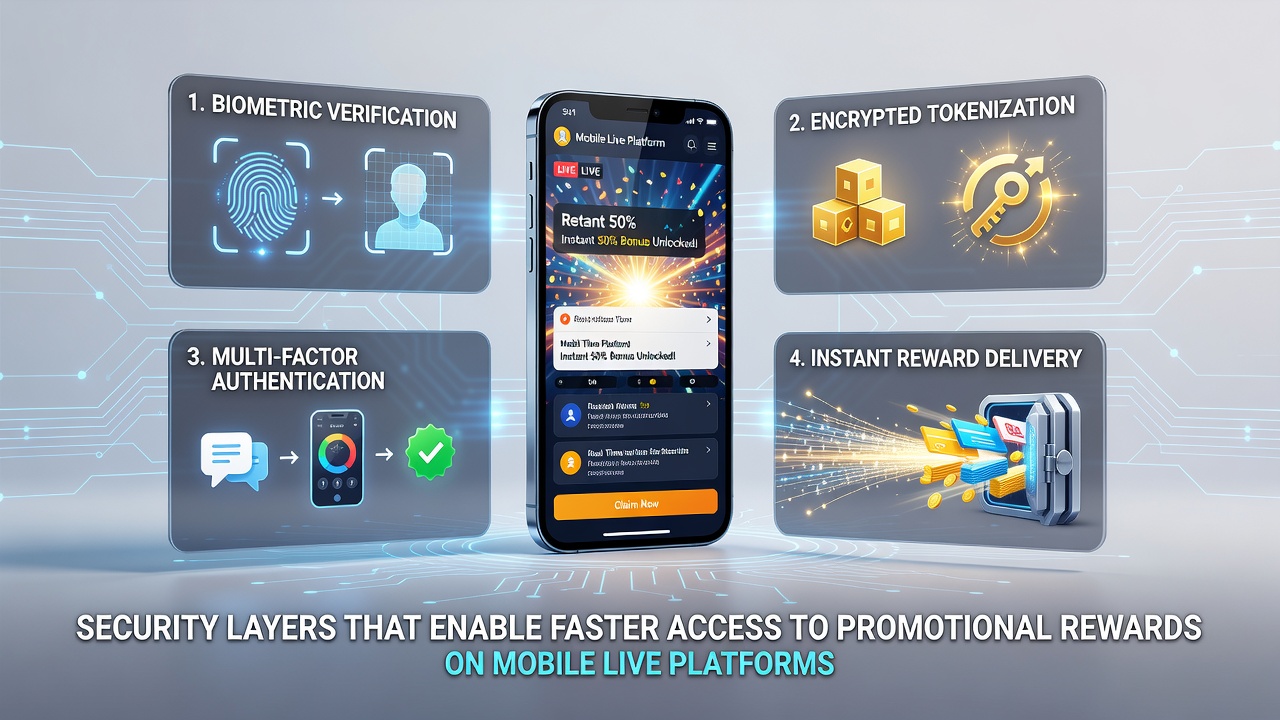
Real-time threat detection operates alongside encryption by scanning for irregular patterns in user behavior before reward systems finalize distributions, and when no flags appear the process completes without human intervention. Platforms that coordinate these controls report smoother operations during peak hours because automated systems handle the bulk of verifications while routing only edge cases to manual review teams.
Monitoring Systems and Compliance Alignment
Continuous monitoring frameworks track account activity across live sessions and feed results into reward engines that grant access once predefined security thresholds are met. European regulatory bodies such as those under the European Commission have documented how synchronized monitoring reduces processing bottlenecks on mobile platforms by aligning security checks with existing compliance reporting requirements. Geographic restrictions and age verification modules run in parallel with reward eligibility scans, which prevents delays that occur when systems handle these tasks sequentially.
Case examples from operators in regulated markets demonstrate that unified dashboards displaying security status alongside reward balances help users understand why certain claims process faster than others. One documented implementation showed reward claim times dropping by 40 percent after consolidation of biometric and encryption layers into a single verification pipeline.
Future Developments in Layered Security
Emerging protocols emphasize predictive analytics that anticipate reward claims based on historical patterns and pre-verify user status before explicit requests occur. Industry reports highlight that such forward-looking systems rely on the same security foundations already in place, which allows platforms to scale reward offerings without proportional increases in verification overhead. Observers tracking mobile gaming trends note that integration of these predictive elements with existing biometric and encryption stacks continues to expand in markets preparing for expanded digital services.
Conclusion
Layered security approaches on mobile live platforms create pathways for faster promotional reward access by embedding verification steps within routine session management rather than treating them as separate stages. Data indicates that continued refinement of authentication, encryption, and monitoring components supports both operational efficiency and regulatory adherence across diverse operating environments. Platforms maintaining these integrated frameworks position themselves to handle growing volumes of reward transactions while meeting security expectations set by oversight organizations worldwide.