Security Architecture Patterns Controlling Reward Access in Portable Gambling Applications
Riley Perry · Jun 13, 2026
Security Architecture Patterns Controlling Reward Access in Portable Gambling Applications
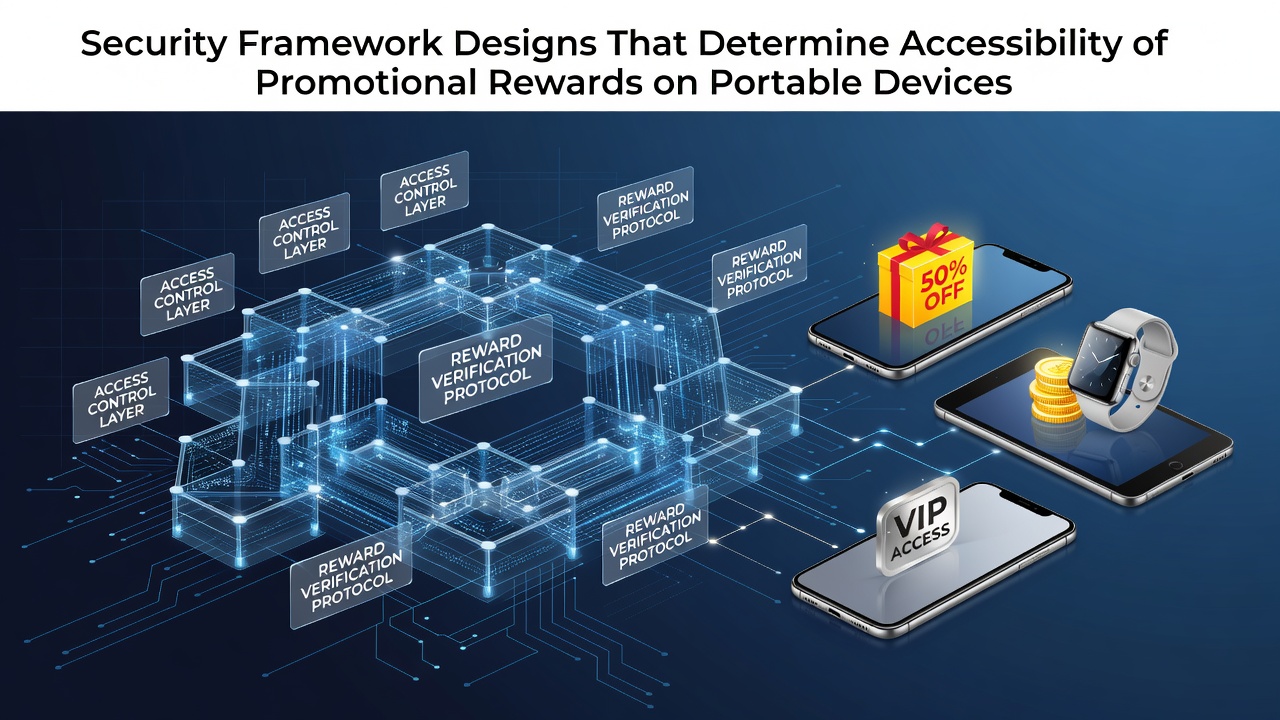
Security architecture patterns in portable gambling applications rely on layered authentication systems that balance user access with regulatory compliance, and these designs directly shape how players reach promotional rewards on smartphones and tablets. Device fingerprinting combines with biometric verification to create unique profiles for each handset, which then determines eligibility for bonus activation while preventing unauthorized transfers across accounts. Research from security analysts shows that frameworks incorporating multi-factor protocols reduce fraud incidents by up to 47 percent in mobile environments compared with single-layer systems.
Core Components of Mobile Security Frameworks
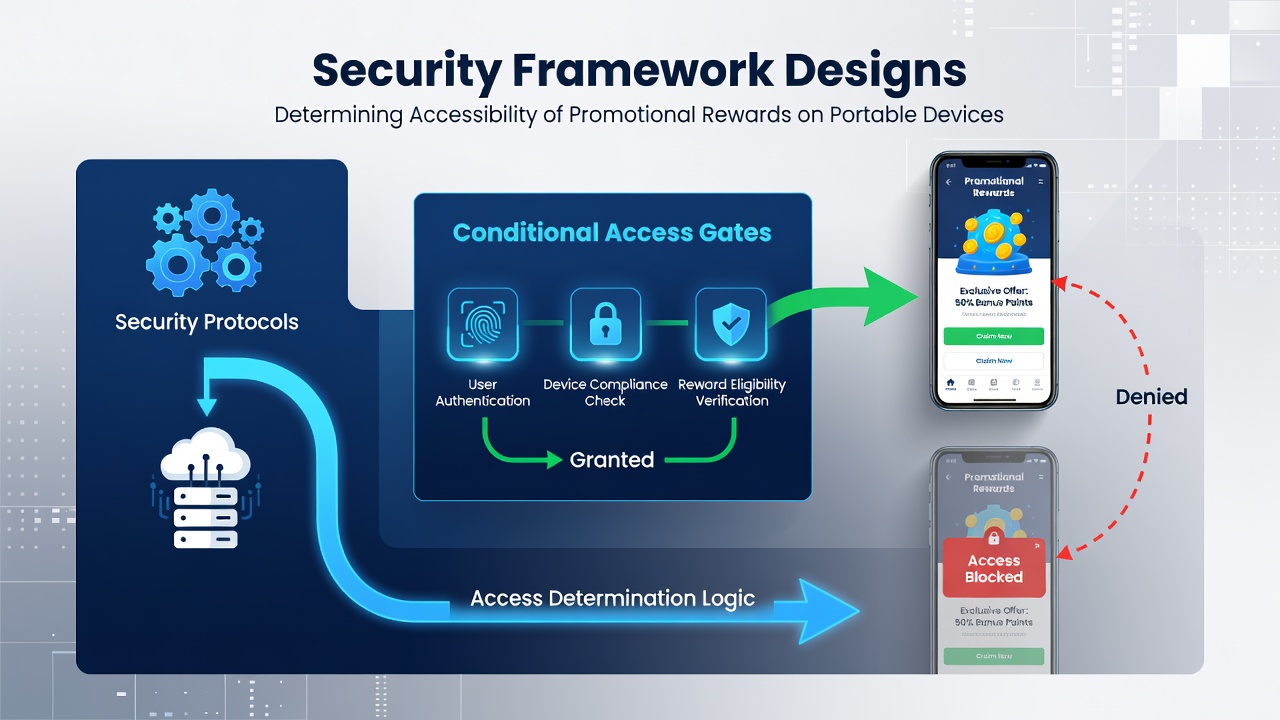
Encryption standards form the foundation of these architectures, where AES-256 protocols protect data transmission between the device and backend servers during reward claims, yet the real gatekeeping happens through dynamic risk scoring engines that evaluate location, network type, and device integrity before unlocking offers. Observers note that applications using behavioral analytics can flag unusual patterns such as rapid location changes or rooted operating systems, which often blocks promotional redemptions until manual review clears the account. And this process integrates seamlessly with payment verification modules to ensure the same security layer governs both deposits and bonus distributions.
Tokenization adds another dimension by replacing sensitive account details with temporary codes that expire quickly, so even if a session is intercepted the rewards remain inaccessible without fresh authentication. Those who have studied platform implementations find that token-based designs allow faster access on trusted devices while imposing stricter checks on new hardware, creating a tiered accessibility model that rewards consistent users with smoother bonus experiences.
Device-Level Controls and Accessibility Outcomes
Portable device controls extend beyond software to include hardware-rooted security like secure enclaves in modern chipsets, which store cryptographic keys separately from the main processor and limit reward access to verified sessions only. Data indicates that platforms leveraging these enclaves see higher completion rates for promotional tasks because players encounter fewer interruptions once initial verification succeeds. But here's the thing: older devices lacking these features often face compatibility warnings or outright blocks, narrowing the pool of eligible users for time-sensitive offers.
Geofencing technology further refines accessibility by cross-referencing GPS data with licensed jurisdictions, and this becomes especially relevant as new regulatory frameworks roll out across North American markets. In June 2026 several Canadian provinces plan expanded testing of unified mobile gaming standards that mandate real-time location validation tied directly to bonus eligibility, which could standardize how operators handle cross-border reward claims on handheld devices.
Regulatory Alignment and Framework Adaptations
Alignment with international standards such as those outlined by the National Institute of Standards and Technology ensures frameworks meet baseline requirements for data protection while allowing operators flexibility in reward distribution mechanics. NIST guidelines on digital identity emphasize continuous authentication that many mobile platforms now adopt to maintain access to layered promotions without repeated logins. Meanwhile, reports from the Australian Communications and Media Authority highlight how similar protocols have improved detection of simulated location attempts, thereby protecting promotional integrity across regional markets.
Integration with third-party security providers introduces additional variables, as some frameworks outsource risk assessment to specialized firms that apply machine learning models trained on global fraud datasets. Experts have observed that these hybrid approaches accelerate approval for legitimate players while extending review times for flagged devices, and the outcome directly influences how quickly promotional rewards appear in user accounts.
Future Trends in Portable Reward Security
Emerging patterns point toward passwordless systems built around passkeys and hardware tokens, which promise to streamline accessibility without compromising the verification layers that protect operator assets. Studies conducted by university research groups in Europe reveal that such systems cut average login friction by 30 percent, leading to increased engagement with bonus features on mobile applications. Yet the transition requires careful calibration so that accessibility gains do not create new vulnerabilities in reward redemption flows.
Operators continue refining these designs through iterative testing that incorporates feedback from actual device usage patterns across diverse operating systems and network conditions. This ongoing adaptation keeps frameworks responsive to both technological shifts and evolving compliance demands in portable gambling environments.
Conclusion
Security framework designs ultimately serve as the gatekeepers that determine who can access promotional rewards on portable devices, and their effectiveness rests on the seamless coordination of encryption, biometrics, risk scoring, and regulatory alignment. As mobile platforms evolve, these architectures will keep shaping the boundaries of reward availability while maintaining the integrity required by licensed operators worldwide.