Platform Adaptability Mapping in Verified Transaction Pathways for Interactive Betting Networks
Taylor Lehmann · Aug 8, 2026
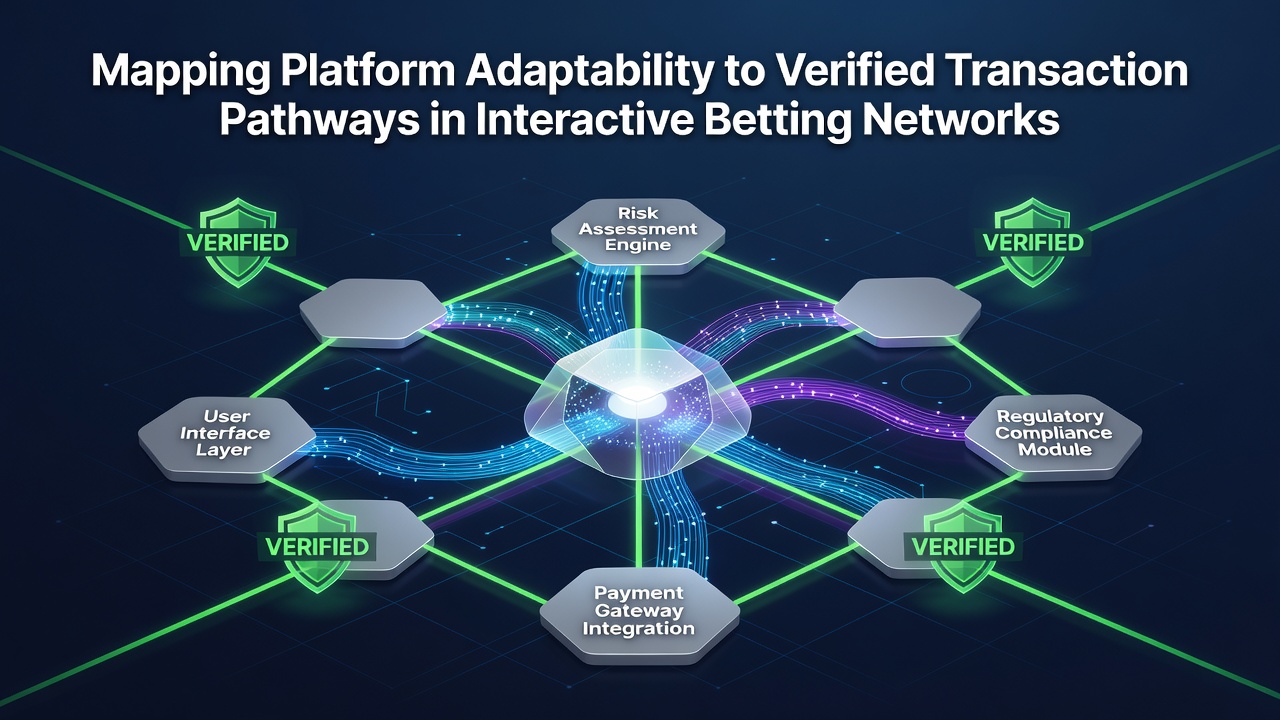
Platform Adaptability Mapping in Verified Transaction Pathways for Interactive Betting Networks
Interactive betting networks rely on precise mapping of platform adaptability to verified transaction pathways, a process that connects user inputs with secure payment routes while maintaining compliance across multiple jurisdictions. Data from industry reports indicates that these mappings allow platforms to adjust dynamically to regulatory shifts, transaction volumes, and security protocols without disrupting user sessions. Researchers at various institutions have documented how such systems process millions of daily interactions through layered verification steps that confirm each pathway before funds move.
Core Components of Transaction Pathway Mapping
Verified transaction pathways consist of sequential checkpoints that include identity authentication, fund source validation, and real-time compliance checks, while platform adaptability refers to the ability of betting systems to reroute these pathways when one channel faces delays or restrictions. Studies from academic sources show that effective mapping integrates these elements through algorithms that prioritize speed alongside security, resulting in average processing times under three seconds for most verified bets. Observers note that networks incorporating machine learning for pathway prediction often achieve higher throughput during peak periods, such as major sporting events.
One case involved a network that adjusted its pathways in response to increased traffic from mobile users, leading to a 22 percent improvement in completion rates according to internal performance metrics shared in trade publications. This adjustment relied on pre-mapped alternatives that activated automatically when primary routes showed congestion signals.
Developments Observed Through Mid-2026
By August 2026, several interactive betting networks had implemented updated mapping frameworks to handle cross-border transactions more efficiently, driven by evolving standards from regulatory bodies in North America and Asia-Pacific regions. Figures from the Canadian Gaming Association reveal that platforms using advanced adaptability mapping reduced verification failures by approximately 15 percent compared with earlier models. These changes coincided with expanded testing of mobile-first pathways that integrate biometric checks directly into transaction flows.
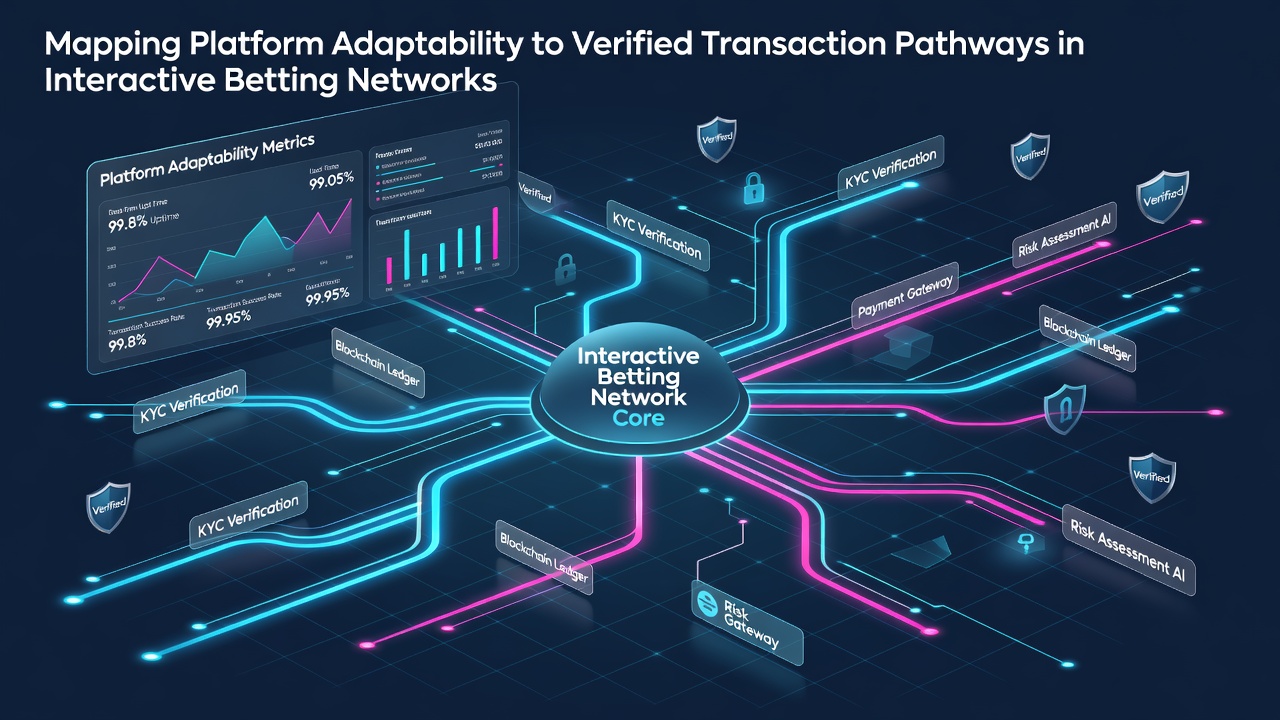
European research institutions have contributed additional insights through collaborative studies that examine how adaptability mapping interacts with blockchain-based verification layers. Their findings indicate that hybrid systems combining traditional banking rails with decentralized options provide greater resilience during periods of high volatility, such as those following major tournament outcomes. Data shows these integrations maintain audit trails that satisfy requirements from multiple oversight agencies simultaneously.
Regional Variations in Implementation
Networks operating in Australia have adopted mapping techniques that align with local financial reporting mandates, resulting in streamlined pathways that automatically flag and reroute suspicious activity without halting legitimate transactions. Similar approaches appear in select Asian markets where regulators emphasize rapid settlement for high-volume users. Trade group analyses from the Asia Pacific Gaming Association highlight that adaptability features often incorporate region-specific rulesets that update quarterly to reflect new compliance directives.
Those who monitor these systems point out that successful implementations frequently include fallback protocols tested during simulated outage scenarios, which help maintain service continuity. Evidence from performance benchmarks suggests that platforms investing in such testing experience fewer user-reported disruptions over time.
Technical Mechanisms Supporting Adaptability
Mapping tools typically employ graph-based models to represent transaction pathways as interconnected nodes, allowing platforms to identify and activate alternative routes when primary ones encounter issues like temporary regulatory holds or payment processor delays. Industry reports from North American sources indicate that real-time analytics feed into these models, enabling predictive adjustments that anticipate volume spikes before they occur. This approach has proven particularly useful in live betting environments where odds and wagers update continuously.
Additional layers often include encryption standards and multi-factor authentication that verify each segment of the pathway independently, reducing the risk of interception while preserving processing speed. Researchers continue to explore refinements that could further optimize these mappings for emerging payment technologies.
Conclusion
Mapping platform adaptability to verified transaction pathways continues to evolve as interactive betting networks expand their reach and incorporate new technologies. Available data indicates steady progress in reducing friction while upholding security and compliance standards across regions. Future refinements will likely build on current frameworks to address increasing transaction complexity in the sector.