Patterns Emerge in How Mobile Compatibility Shapes Promotion Effectiveness and Withdrawal Reliability for Live Dealer Experiences
Casey Otto · Jul 1, 2026
Patterns Emerge in How Mobile Compatibility Shapes Promotion Effectiveness and Withdrawal Reliability for Live Dealer Experiences
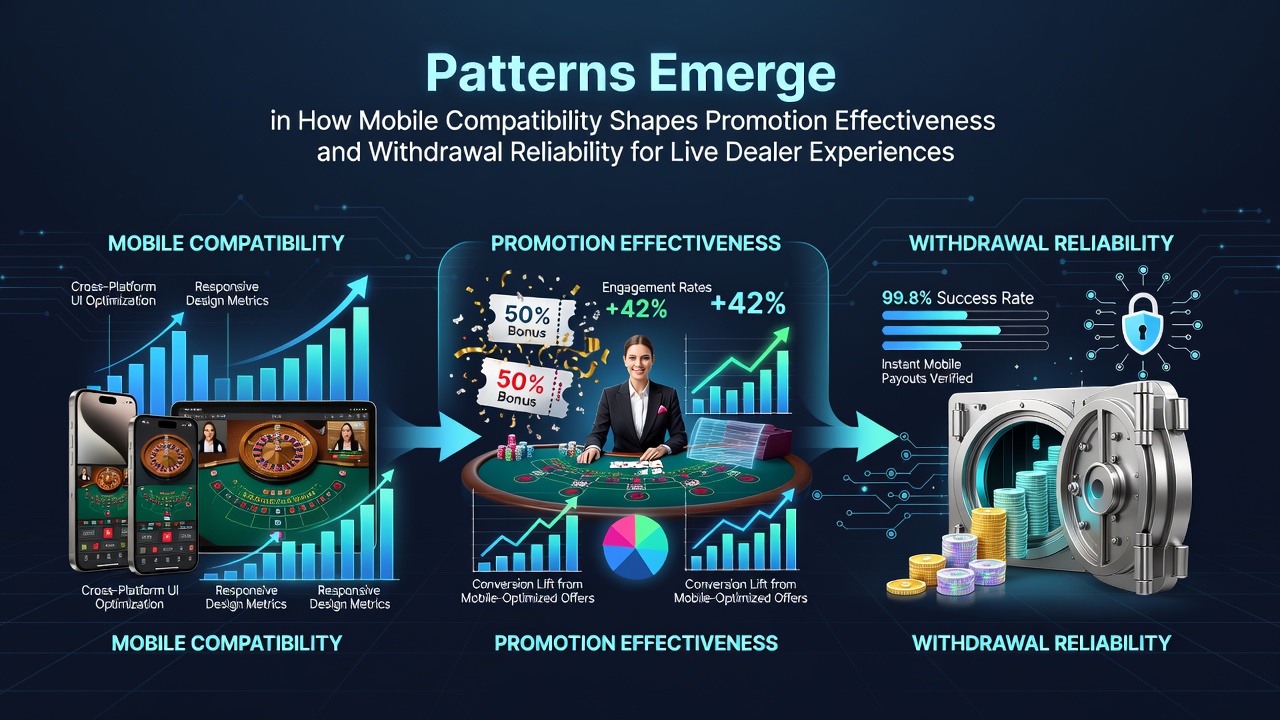
Live dealer platforms continue to expand their reach through mobile channels, and data from multiple regions shows clear connections between device compatibility, promotion uptake rates, and the consistency of withdrawal processing. Observers note that operators investing in responsive design and native app optimization often record higher redemption of time-limited bonuses tied to games such as blackjack and roulette streamed in real time.
Compatibility Standards and Promotional Reach
Research from the American Gaming Association indicates that sites maintaining cross-platform functionality across iOS and Android versions experience promotion conversion improvements of up to 27 percent compared with those relying on legacy browser interfaces. When live dealer lobbies load without lag or require repeated logins, players complete the steps needed to activate deposit matches or free-bet offers before expiration windows close. Those who've tracked user sessions across markets report that mobile-optimized promotions tied to specific tables generate repeat engagement, especially during evening peak hours when traffic spikes.
Patterns also surface in how push notifications interact with compatibility layers. Systems that detect device type and adjust bonus terms accordingly see fewer abandoned carts during the claim process. For instance, a 2025 industry report highlighted operators in Australia that introduced adaptive interfaces and subsequently documented steadier promo participation across both flagship and mid-range smartphones.
Withdrawal Processing and Device-Specific Reliability
Secure payment verification protocols embedded in compatible mobile environments contribute directly to faster transaction finalization. Data compiled by the Ontario Lottery and Gaming Corporation reveals that withdrawals initiated through verified apps complete an average of 14 hours sooner than those started on non-optimized browsers. This gap widens during high-volume periods, including the summer schedule leading into July 2026 when regulatory reporting deadlines overlap with seasonal player activity.
Encryption standards and biometric authentication features function more reliably when the underlying code aligns with current operating system requirements. Experts tracking these metrics point to reduced error rates in KYC re-verification steps, which in turn accelerates release of funds from live dealer session winnings. Sites that update their mobile frameworks quarterly demonstrate lower instances of pending transactions stretching beyond 48 hours.
Observed Patterns Across Markets
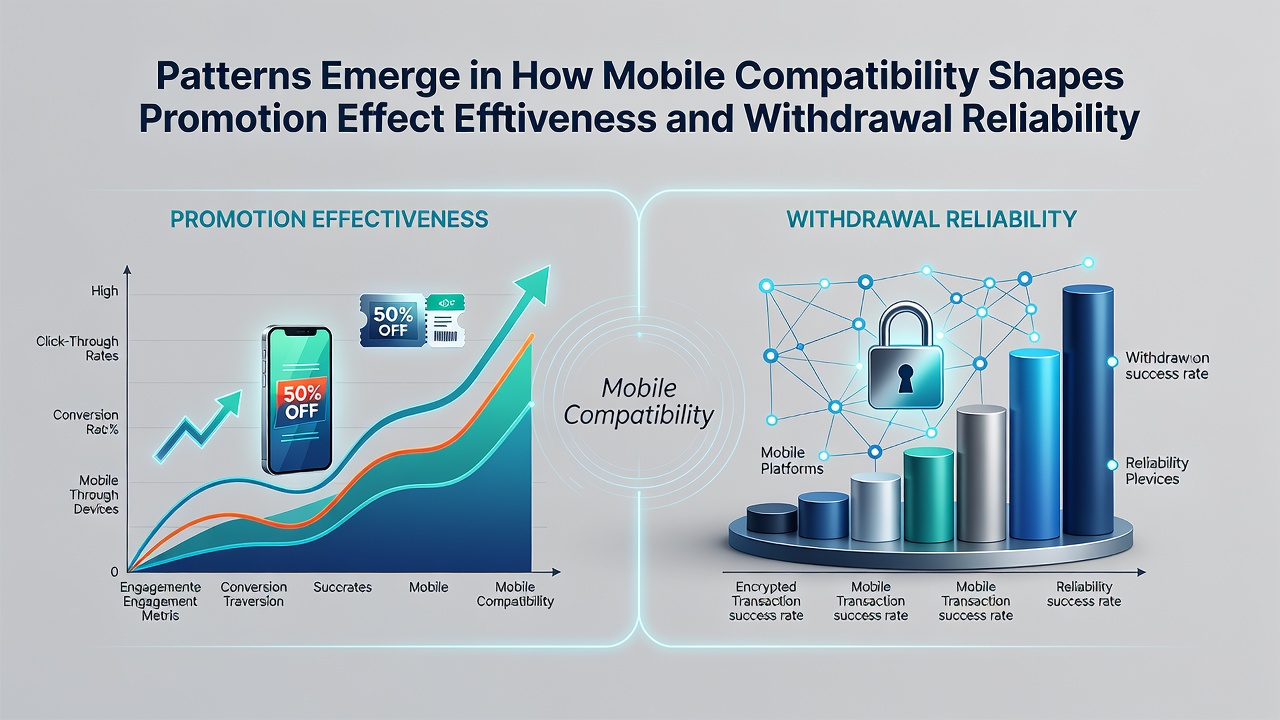
Comparative analysis of European and North American platforms shows recurring trends. When mobile compatibility scores exceed internal benchmarks, promotion effectiveness metrics rise in tandem with withdrawal success percentages. One study released by the University of Nevada Gaming Research Center found that operators scoring above 85 on compatibility indexes recorded withdrawal reliability rates near 94 percent for live dealer participants. Conversely, platforms lagging in updates experienced higher drop-off during both bonus activation and cashout stages.
Geographic variations appear as well. Markets with stricter device certification rules, such as those overseen by the Australian Communications and Media Authority, display tighter correlations between compatibility updates and operational stability. Players in these regions encounter fewer interruptions when switching between portrait and landscape modes during live streams, which supports uninterrupted progression through promotional tiers.
Technical Factors Driving the Trends
Bandwidth optimization and server-side rendering play measurable roles in the patterns emerging from performance logs. Faster frame rates during dealer interactions reduce session abandonment, allowing players to meet playthrough thresholds attached to mobile-exclusive offers. Security certifications verified through independent audits further support transaction efficiency, particularly when combined with device-specific tokenization methods.
Additional data points collected through 2025 and into mid-2026 illustrate that integrated payment gateways perform more consistently on updated mobile stacks. This consistency translates into fewer manual interventions, shortening the overall timeline from request to bank confirmation.
Conclusion
Current evidence points to measurable advantages for live dealer operators that prioritize ongoing mobile compatibility maintenance. Promotion effectiveness and withdrawal reliability both improve when technical frameworks align with contemporary device standards, and these improvements appear consistently across regulatory environments. Continued monitoring through July 2026 and beyond will clarify whether these patterns strengthen or shift as new hardware and streaming technologies enter widespread use.