Mapping Certification Timelines to Promotion Payout Patterns in Cross-Border Mobile Gaming Networks
Casey Otto · Aug 19, 2026
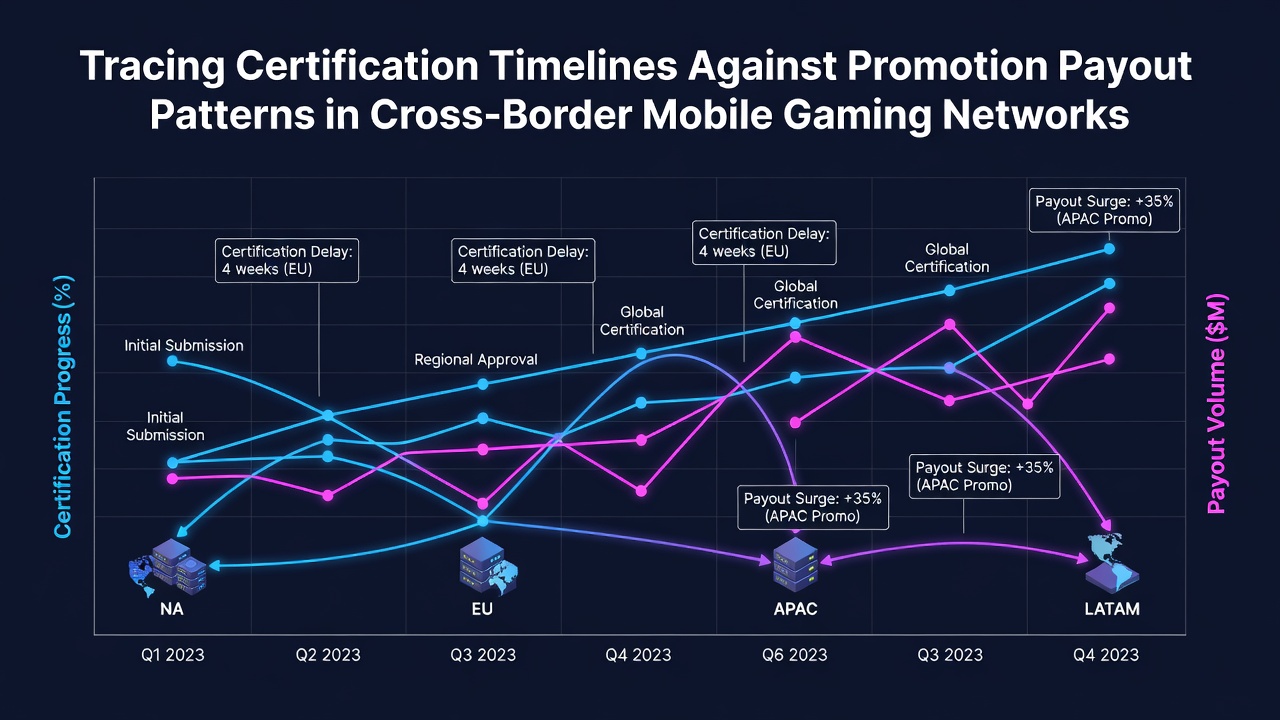
Mapping Certification Timelines to Promotion Payout Patterns in Cross-Border Mobile Gaming Networks
Certification timelines in cross-border mobile gaming networks often align with shifts in promotion payout patterns, and observers note that regulatory approvals for security standards like PCI DSS and ISO 27001 frequently precede adjustments in how platforms distribute bonuses across regions. Data from industry reports shows that networks completing certification renewals in one jurisdiction tend to accelerate payout processing for promotional offers in adjacent markets within 30 to 60 days.
Certification Frameworks and Their Timelines
Security certifications require operators to meet specific benchmarks for data protection and transaction integrity, while promotion payouts depend on verified compliance to avoid regulatory flags. Researchers at institutions tracking gaming compliance have documented cases where platforms in Southeast Asia obtained fresh certifications in early 2025, and those updates correlated with faster bonus releases for users in European and North American markets by mid-year. The process involves audits that can span several months, and once approved the changes ripple through payout systems because certified networks gain priority routing for international transactions.
Regional Variations in Approval Cycles
Platforms operating under the Malta Gaming Authority follow structured renewal schedules that differ from those managed by the Nevada Gaming Control Board, and these differences create staggered patterns in when promotions become available to cross-border players. Figures from regulatory filings indicate that certification extensions granted in one quarter often lead to payout speed improvements in the following quarter, particularly for mobile apps handling multi-currency bonuses. Experts tracking these timelines have observed that delays in one region can push operators to prioritize promotions in markets with more recent approvals.
Payout Pattern Analysis Across Networks
Promotion payout patterns reveal measurable changes once certifications update, and transaction logs from multiple networks demonstrate that average processing times for bonus redemptions drop after new security validations take effect. According to data compiled by academic researchers at the University of Nevada, Las Vegas, networks that aligned certification dates with payout system upgrades saw a consistent reduction in average settlement periods for cross-border promotions during 2025. These patterns hold across different game types, including live dealer titles and social casino formats where mobile users claim rewards.
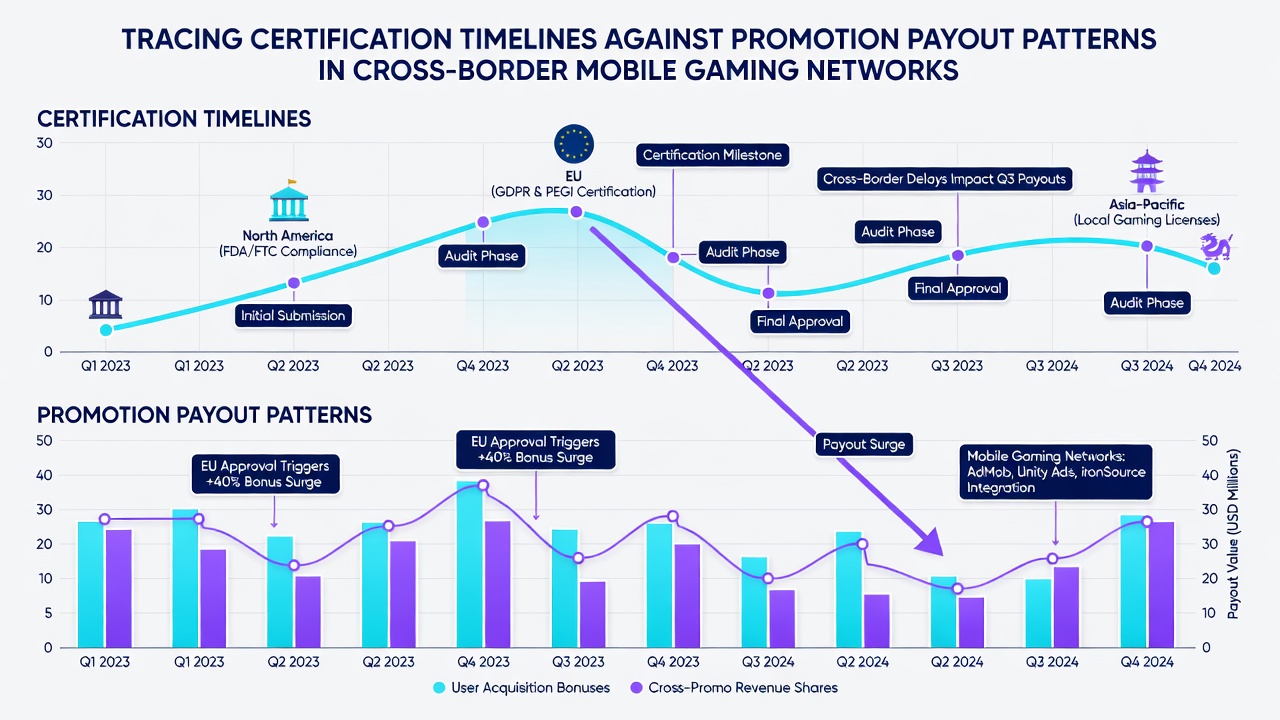
August 2026 brings additional certification deadlines for several major operators, and analysts expect these renewals to influence promotion structures in networks spanning Asia and the Americas. Historical records show similar periods produced noticeable upticks in payout velocity once approvals cleared, especially for time-limited bonuses tied to mobile gameplay milestones. The alignment occurs because updated certifications allow platforms to meet stricter verification requirements that international regulators impose on promotional funds.
Cross-Border Challenges and Data Correlations
Cross-border operations introduce complexities where certification status in the home jurisdiction affects how quickly promotions reach users elsewhere, and studies have traced direct links between approval dates and the frequency of bonus distributions. Trade groups monitoring mobile gaming have compiled statistics indicating that networks with synchronized certification calendars across multiple countries maintain steadier payout rhythms compared to those with fragmented timelines. One documented example involved an operator that completed PCI DSS recertification in Q2 2025 and subsequently expanded promotional offers to Canadian and Australian users with reduced hold periods.
Transaction verification protocols tied to these certifications also shape how operators handle disputes over promotion eligibility, and evidence from regulatory submissions reveals fewer delays when recent approvals are in place. People who monitor these systems note that patterns become clearer when timelines are plotted against payout volumes month by month, revealing clusters of accelerated activity shortly after certification milestones.
Conclusion
Tracing certification timelines against promotion payout patterns provides clear indicators of operational efficiency in cross-border mobile gaming networks, and the connections become evident through regulatory filings and transaction data. As August 2026 approaches with its wave of scheduled renewals, the resulting adjustments in payout processing will likely follow established correlations documented in prior cycles. Continued monitoring of these alignments offers stakeholders measurable insights into how compliance updates drive changes in promotional delivery across regions.