Intersecting Certification Standards: Portable Access, Entertainment Options, and Diverse Funding Pathways
Kai Simmons · Jul 11, 2026
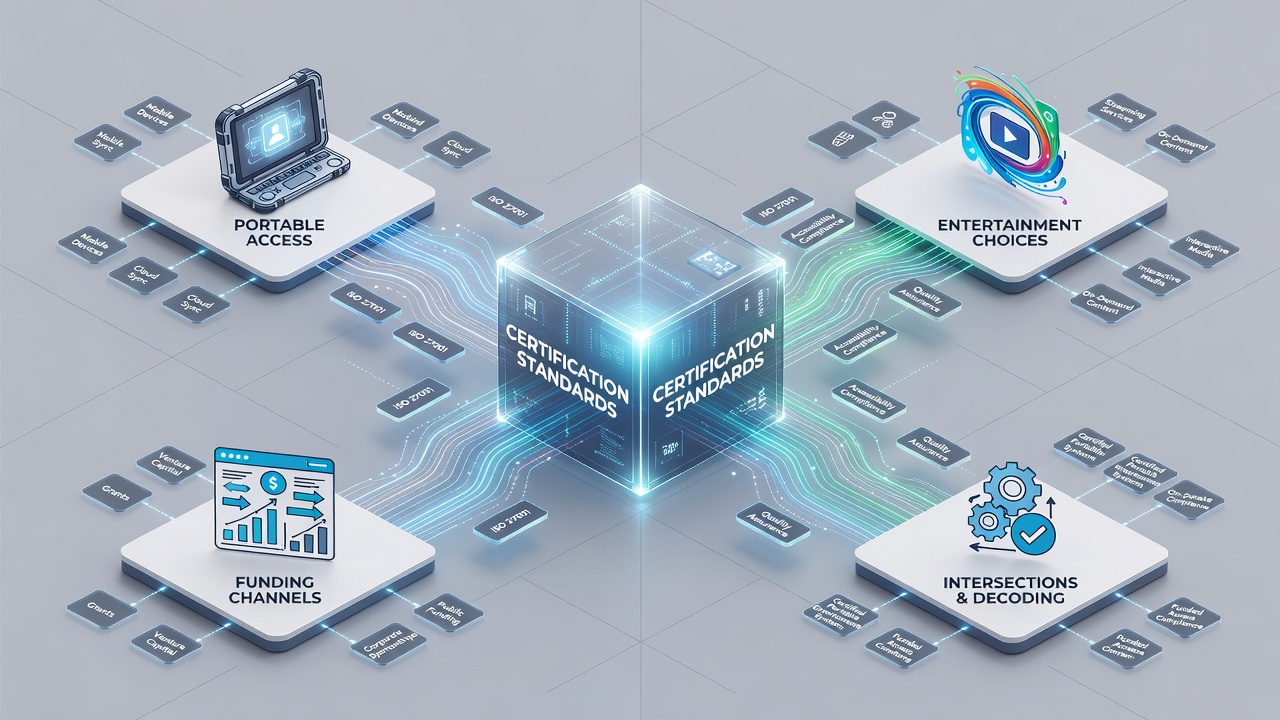
Intersecting Certification Standards: Portable Access, Entertainment Options, and Diverse Funding Pathways
Certification standards form the backbone of reliable portable access systems that deliver entertainment across multiple platforms and payment structures. Organizations rely on frameworks such as ISO 27001 and NIST cybersecurity protocols to verify device compatibility, data protection, and transaction integrity in mobile environments. These standards create consistent benchmarks that manufacturers and service providers follow when developing applications for streaming services, digital libraries, and interactive media on smartphones and tablets.
Core Certification Frameworks in Use Today
Security and quality certifications establish measurable criteria for portable devices that handle entertainment content. The National Institute of Standards and Technology maintains guidelines that address encryption requirements, access controls, and vulnerability assessments for mobile ecosystems. NIST cybersecurity framework documentation outlines specific controls that companies implement to protect user data during content delivery and payment processing. European regulatory bodies enforce similar requirements through the General Data Protection Regulation, which ties certification processes directly to consumer privacy protections in digital entertainment distribution.
Observers note that certification cycles typically span 12 to 18 months, during which testing labs evaluate device firmware, network communication protocols, and storage mechanisms. Updates scheduled for July 2026 will introduce enhanced requirements for biometric authentication in portable entertainment applications, reflecting ongoing advancements in hardware capabilities across global markets.
Portable Access Technologies and Device Integration
Portable access depends on certified hardware and software combinations that support seamless entertainment consumption. Manufacturers obtain certifications for components including processors, wireless modules, and display interfaces to guarantee interoperability with content platforms. Research from industry associations indicates that devices carrying multiple certifications achieve higher adoption rates among users who access entertainment through varied funding models such as subscriptions, pay-per-view, and bundled service packages.
Wireless certification bodies evaluate radio frequency performance and power management features that directly influence battery life during extended streaming sessions. Those who've examined market data find that certified portable devices maintain stable connections across 4G, 5G, and emerging 6G networks while supporting encrypted payment channels for in-app purchases.
Entertainment Choices Shaped by Certified Systems
Content providers structure entertainment libraries around platforms that meet certification thresholds for secure delivery and user authentication. Streaming services, gaming applications, and digital media stores prioritize certified access points to reduce unauthorized distribution risks. Data from academic studies at institutions tracking digital consumption patterns reveal that certified portable systems correlate with expanded content variety, including high-resolution video, interactive narratives, and live event broadcasts.
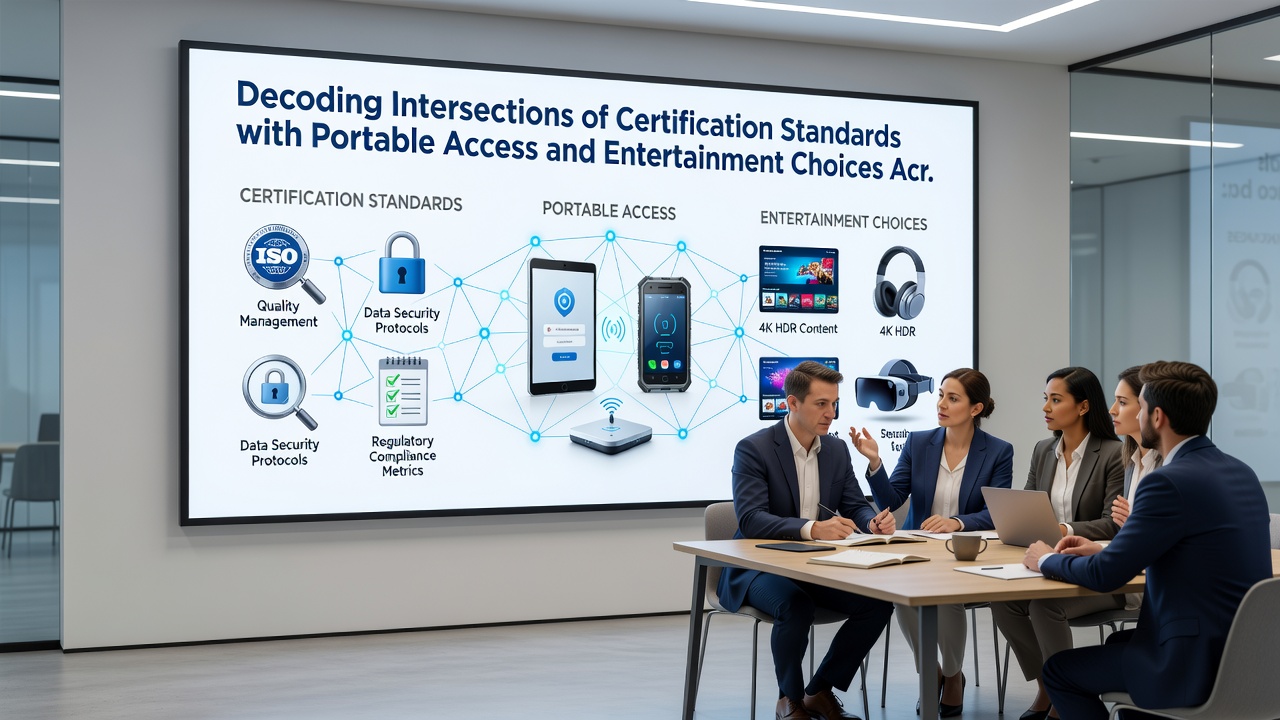
Certification also influences regional availability of entertainment options. Providers must demonstrate compliance with local standards before launching services in new territories, which affects release timelines and catalog depth. One study revealed that markets with stringent certification processes experience slower rollout of new entertainment formats yet maintain stronger user retention once services stabilize.
Funding Channels and Transaction Security
Payment infrastructure intersects with certification standards through verified processing pathways that support subscription renewals, microtransactions, and cross-border transfers. Financial technology firms obtain certifications for their mobile payment modules to ensure compatibility with certified entertainment platforms. Australian regulatory reports document how standardized certification reduces transaction failure rates in entertainment funding ecosystems by enforcing uniform security protocols across banks, digital wallets, and carrier billing systems.
Observers note that certification requirements extend to emerging funding methods including cryptocurrency gateways and loyalty point conversions. These channels undergo evaluation for encryption strength, audit trail completeness, and fraud detection accuracy before integration with portable entertainment applications. The process creates layered verification that protects both consumers and content creators throughout the transaction lifecycle.
Combined Effects Across Global Markets
Certification standards, portable access capabilities, and funding channel diversity interact to determine market accessibility for entertainment services. Companies that align product development with evolving certification timelines gain advantages in regions where regulatory updates occur frequently. Figures reveal that coordinated certification efforts across multiple jurisdictions accelerate deployment of unified entertainment platforms while maintaining localized payment options.
Industry reports from Canadian research groups highlight cases where portable devices certified under harmonized international standards enabled entertainment providers to introduce tiered funding models within single applications. These models accommodate users who prefer prepaid options alongside recurring billing structures without compromising security parameters established during certification.
Conclusion
Certification standards continue to define operational parameters for portable entertainment systems that span diverse access methods and funding structures. Ongoing developments, including those planned for July 2026, will further refine requirements around authentication, encryption, and transaction verification. Organizations monitoring these intersections benefit from structured approaches that connect technical compliance with consumer-facing entertainment delivery and payment flexibility across regions.