How Safety Protocols Influence Payout Processing Speeds on Mobile Live Dealer Sites
Kai Simmons · May 23, 2026
How Safety Protocols Influence Payout Processing Speeds on Mobile Live Dealer Sites
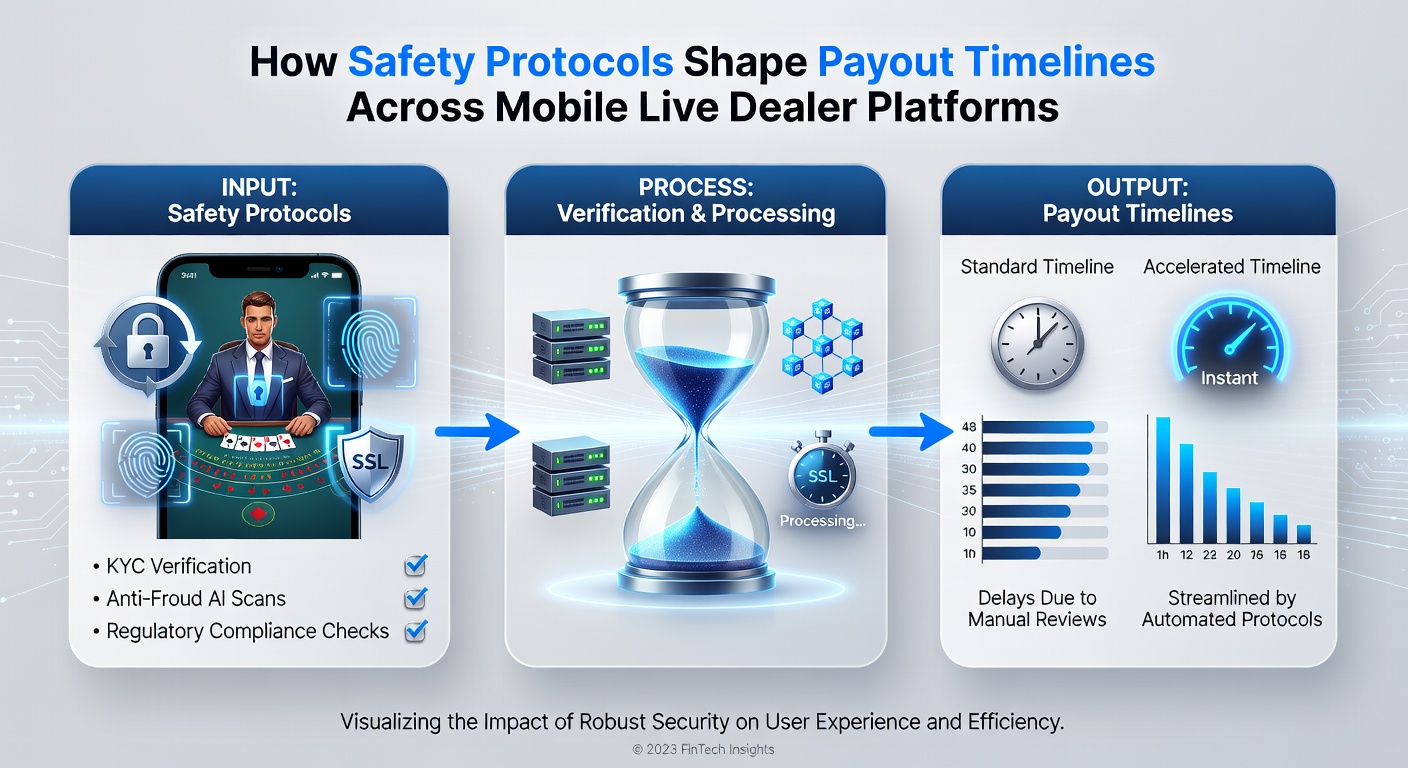
Security measures in mobile live dealer environments directly determine how quickly operators release funds to players, since each layer of protection requires sequential checks that extend processing windows. Regulatory frameworks across multiple jurisdictions mandate these steps, which include identity confirmation, transaction monitoring, and encryption validation, all of which occur before any payout clears.
Core Verification Layers That Extend Timelines
Operators implement multi-stage identity checks that begin the moment a withdrawal request arrives, and these checks run simultaneously on mobile apps where device data combines with account history to flag potential issues. Research from the New Jersey Division of Gaming Enforcement shows that platforms using automated facial recognition alongside document uploads reduce initial review times by up to 40 percent compared with manual processes, yet full clearance still averages between 24 and 72 hours when high-value amounts trigger additional scrutiny.
Encryption protocols add another dimension because every data packet exchanged during a live dealer session must undergo real-time integrity verification, which means payout systems pause until the entire transaction trail receives cryptographic confirmation. This approach prevents tampering but creates bottlenecks when network latency on mobile connections delays packet delivery, particularly during peak evening hours when traffic volumes spike across shared cellular networks.
Mobile-Specific Constraints and Their Effects
Device-level security features such as biometric authentication and app sandboxing interact with backend safety systems in ways that lengthen approval chains, since each mobile operating system enforces its own permission layers before allowing financial data to transmit. Platforms report that iOS users experience slightly faster initial verifications than Android users due to standardized hardware security modules, although both groups face identical regulatory hold periods once requests reach the operator's compliance team.
Regulatory Timelines and Upcoming Changes
Jurisdictions continue to refine reporting requirements that affect payout windows, with several European and North American regulators coordinating on shared data standards scheduled for implementation in May 2026. These updates aim to streamline cross-border verification while maintaining audit trails, which means operators must upgrade their mobile systems in advance to avoid extended holds during the transition period. Data from industry reports indicate that platforms already aligned with these forthcoming standards process routine withdrawals 15 to 20 percent quicker than those still running legacy protocols.
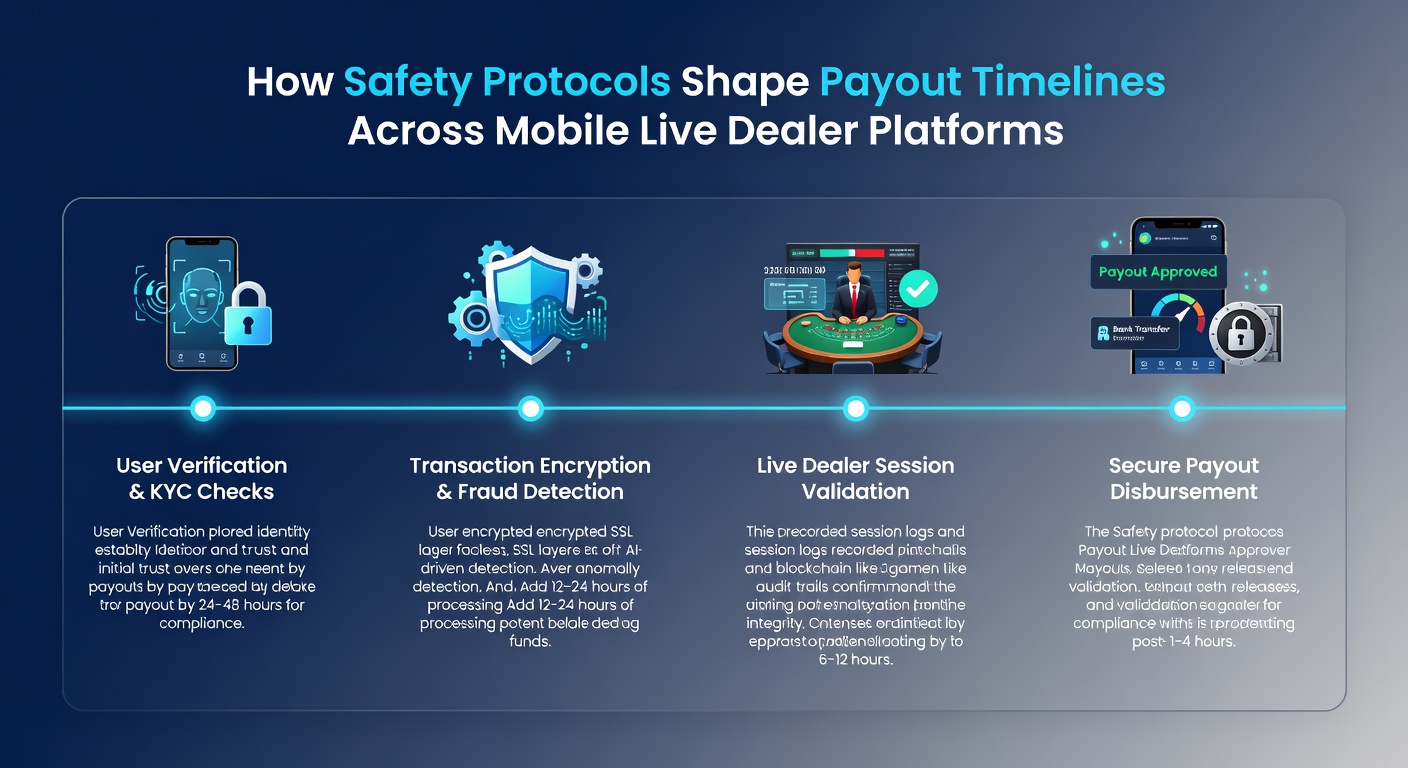
Transaction monitoring algorithms scan for patterns that match known risk profiles, and these scans run continuously rather than at fixed intervals, which allows most low-risk requests to move forward without interruption while higher-risk ones enter manual review queues. Observers note that the combination of automated flags and human oversight produces consistent but variable timelines, with some players receiving funds within hours and others waiting several business days when additional documentation is requested.
Payment Method Integration and Protocol Overlap
E-wallets and bank transfers each carry distinct safety requirements that layer on top of casino-specific checks, creating cumulative delays when operators must reconcile multiple compliance systems. For instance, certain digital wallet providers mandate separate address verification that runs parallel to the casino's own process, resulting in sequential rather than simultaneous approvals. Industry analyses reveal that players using prepaid methods often encounter shorter overall timelines because those instruments trigger fewer secondary verifications than credit-linked options.
Live dealer platforms add an extra consideration because real-time game data must remain isolated from financial processing streams, which requires dedicated servers and additional encryption handshakes that do not apply to virtual slot games. This separation protects session integrity yet inserts brief pauses into the payout sequence whenever a withdrawal request coincides with an active table session.
Conclusion
Safety protocols establish structured sequences that govern payout timelines across mobile live dealer environments, and these sequences reflect both technological capabilities and regulatory obligations that continue to evolve. Platforms that invest in integrated verification tools demonstrate measurable improvements in processing efficiency, while players benefit from clearer expectations once they understand how each security layer operates. As standards advance toward the May 2026 updates, further refinements in mobile security architecture will likely continue shaping these timelines in measurable ways.