How Industry Certifications Direct Transaction Pathways in Mobile Live Gaming Platforms
Taylor Lehmann · Jun 22, 2026
How Industry Certifications Direct Transaction Pathways in Mobile Live Gaming Platforms
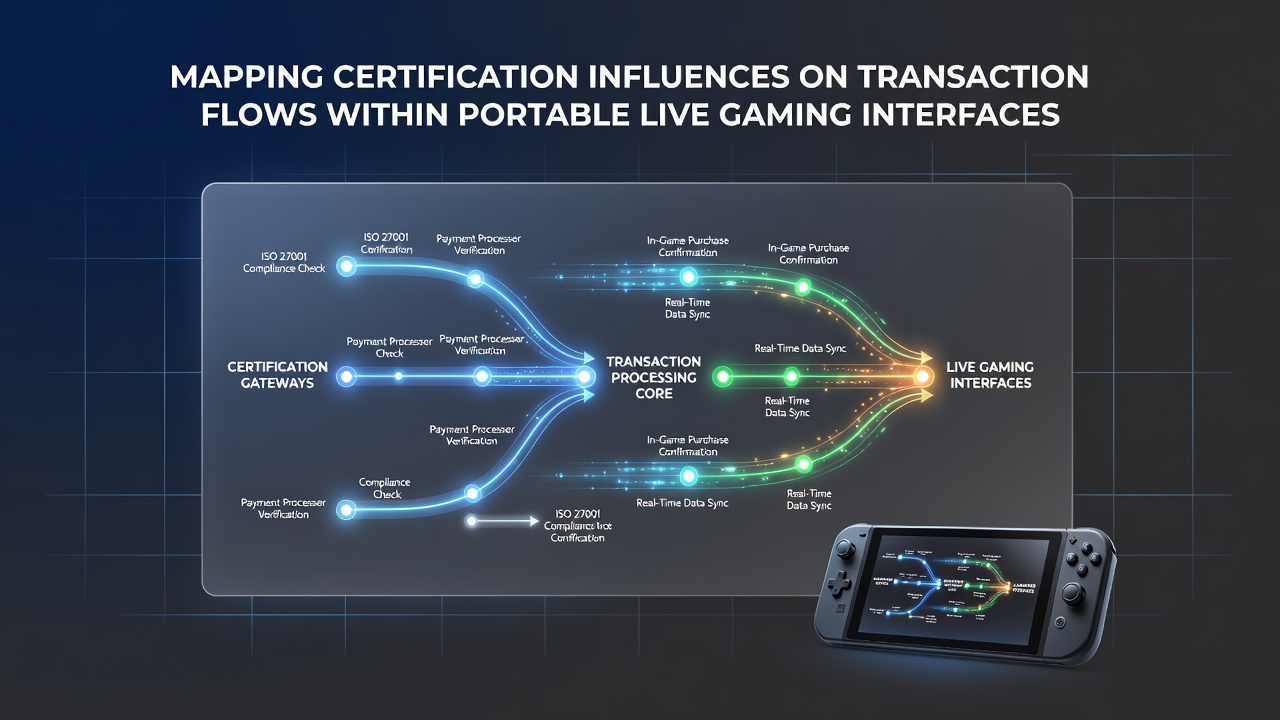
Portable live gaming interfaces rely on layered certification frameworks to manage the movement of funds between players and operators during real-time dealer sessions on smartphones and tablets. These certifications establish verification points that shape how deposits and withdrawals travel through payment gateways, encryption layers, and settlement networks while maintaining compliance with regional rules.
Core Certification Types and Their Mapping to Flows
Security standards such as PCI DSS and ISO 27001 create mandatory checkpoints where transaction data undergoes encryption validation before it proceeds to the next stage in a mobile session. Observers note that platforms holding current certifications route payments through fewer intermediary servers because pre-approved pathways already satisfy audit requirements. In contrast, uncertified or lapsed systems often experience rerouting that adds latency during live dealer rounds.
Payment-specific certifications further refine these routes by requiring tokenization at the point of entry on handheld devices. Data from regulatory filings shows that certified mobile interfaces complete initial authorization steps in under three seconds on average, while flows in non-certified environments encounter additional handoffs that extend processing windows.
Regional Regulatory Overlaps in June 2026
By June 2026 several jurisdictions updated their acceptance criteria for mobile gaming certifications to address cross-border transaction visibility. European authorities aligned certain data residency rules with existing ISO frameworks, which allowed operators to maintain single certification records across multiple markets rather than duplicating audit trails for each region. Those changes reduced the number of required verification nodes in transaction maps for live dealer games accessed via tablets.
North American state regulators introduced parallel reporting requirements tied to the same certification bodies, producing consistent data fields that operators could reuse when submitting monthly flow summaries. This alignment shortened the documentation segment of each transaction without altering the underlying payment rails.
Impact on Processing Speed and Settlement
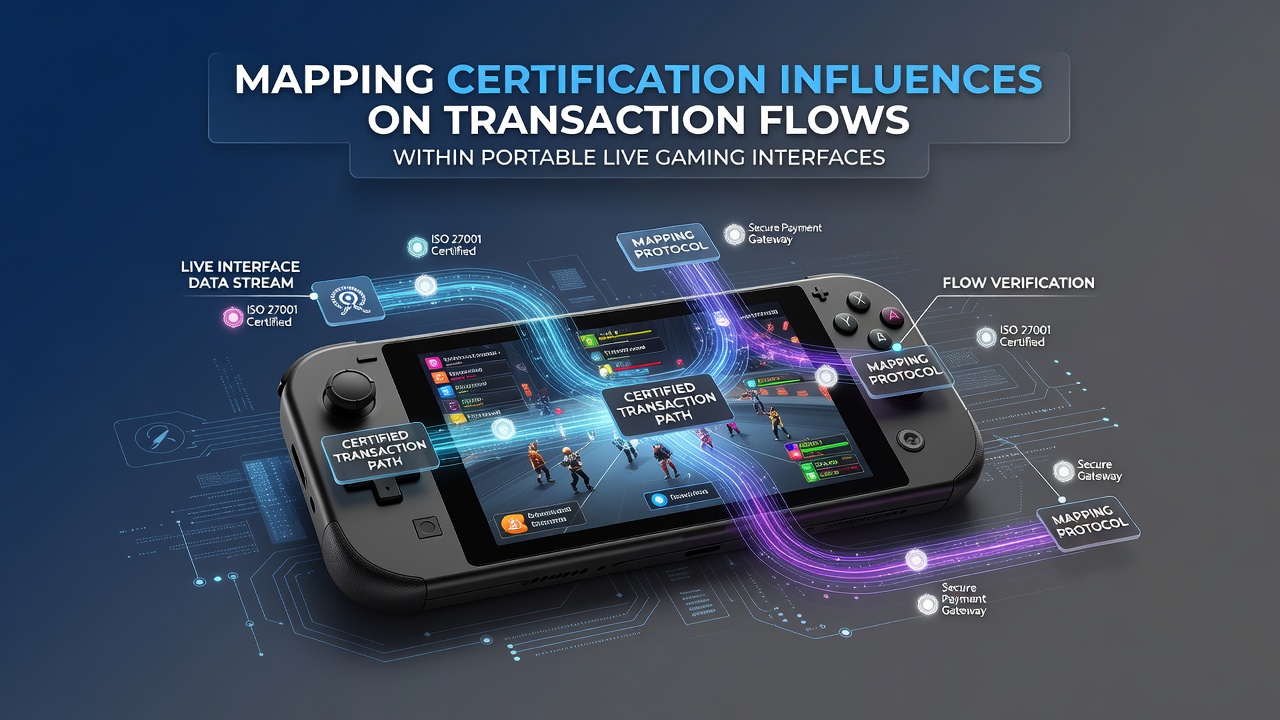
Studies conducted by academic research teams indicate that platforms maintaining active certifications experience settlement cycles that close one to two business days earlier than comparable uncertified services. The difference arises because certified pathways already incorporate automated reconciliation scripts that satisfy both operator and banking partner audits simultaneously. Researchers discovered that live gaming sessions on mobile devices benefit most from these efficiencies during high-volume evening periods when thousands of micro-transactions occur within minutes.
One analysis of transaction logs revealed that certified interfaces reroute fewer than five percent of attempted payments for secondary review, whereas non-certified systems redirect closer to eighteen percent of flows for manual checks. The reduced review volume keeps funds moving through established channels rather than holding them in temporary suspense accounts.
Integration with Live Dealer Infrastructure
Live dealer platforms embed certification status checks directly into session initiation protocols on portable devices. When a player opens a mobile table, the interface queries the certification registry before allowing the first wager to register. This early validation prevents downstream disruptions that would otherwise occur if a payment method failed compliance screening mid-round.
Operators report that maintaining continuous certification updates allows them to swap payment processors without rebuilding the entire transaction map. The registry simply recognizes the new endpoint as pre-approved, which keeps the flow uninterrupted for players already seated at live tables.
Future Mapping Adjustments
Industry groups anticipate further standardization of certification data formats by late 2026, which would enable real-time visibility into transaction paths across multiple mobile operating systems. Such changes could allow regulators to monitor flows without requiring operators to submit separate reports for each certification type. The resulting maps would reflect actual movement patterns rather than reconstructed summaries collected after the fact.
Conclusion
Certification frameworks continue to define the primary routes available for funds traveling through portable live gaming interfaces. As regional requirements converge and reporting formats standardize, the transaction maps become both simpler and more transparent for all parties involved in mobile live dealer operations.