Decoding How Verification Layers Align Game Selections With Transaction Pathways on Portable Platforms
Casey Otto · Jun 27, 2026
Decoding How Verification Layers Align Game Selections With Transaction Pathways on Portable Platforms
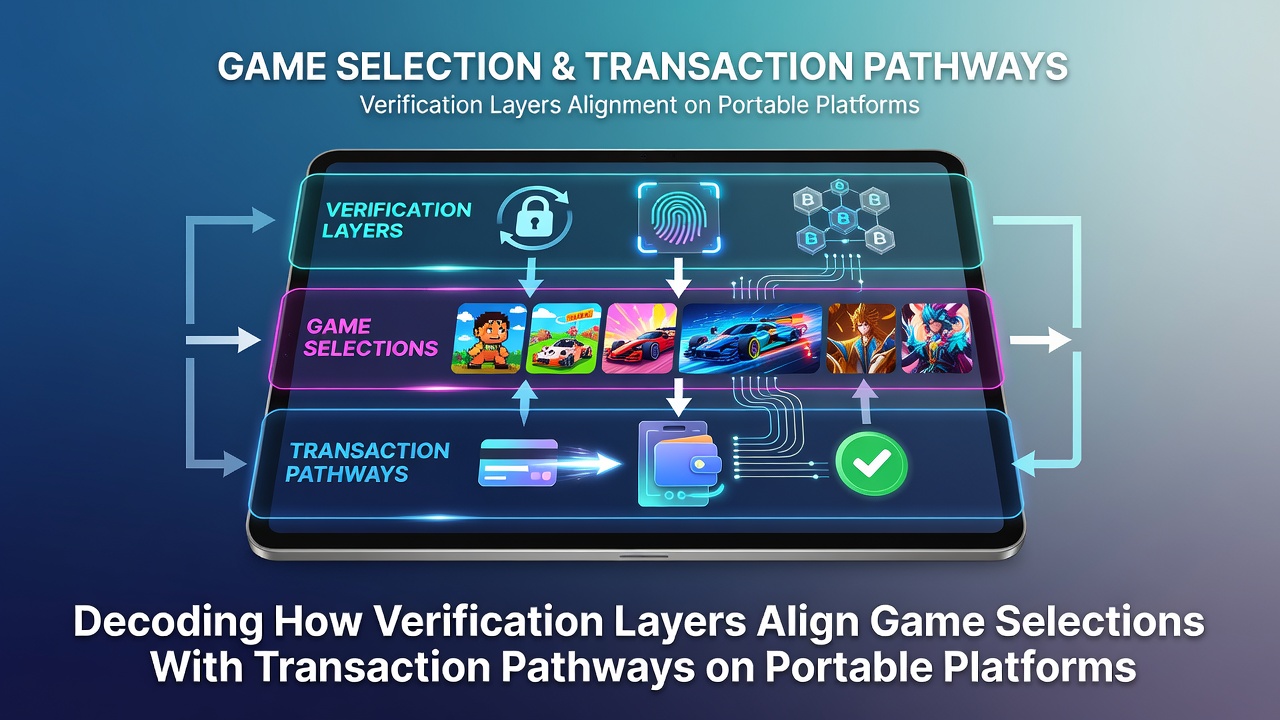
Verification layers on portable platforms operate as structured checkpoints that connect user identity checks directly to available game options and payment routes, creating a synchronized system where each step influences the next. Research from regulatory bodies shows these layers incorporate biometric data, document uploads, and behavioral analytics to confirm eligibility before game libraries or transaction menus become active.
Data from industry reports indicates that mobile operators integrate these processes to match regional compliance standards, which in turn determines which slots, table games, or live dealer options appear in the interface. When verification completes successfully, transaction pathways open for deposits and withdrawals that align with the selected games, often routing through secure processors that match the platform's security certifications.
Core Components of Verification Layers on Mobile Devices
Verification begins with initial account setup where users provide identification details that undergo automated cross-checks against government databases and watchlists, a process that researchers at various academic institutions have documented as reducing unauthorized access by significant margins. Once basic checks pass, additional layers may activate for higher transaction limits or specific game categories, requiring further proof such as address confirmation or source-of-funds declarations.
Those who've examined mobile gambling systems note that these layers often employ machine learning to flag unusual patterns in real time, pausing game access until manual review occurs. This approach ensures that game selections remain restricted until full compliance is achieved, preventing mismatches between user profiles and permitted activities.
Alignment Between Game Selections and Transaction Routes
Game libraries on portable platforms display options only after verification confirms the user's location and age parameters, which data from oversight agencies shows directly affects payment gateway availability. For instance, certain progressive jackpot titles or high-stakes tables may link exclusively to verified payment methods like digital wallets or bank transfers that support the same regulatory framework.
What's interesting is how this alignment extends to withdrawal efficiency, where transaction pathways process faster for games that match the verified profile, according to figures released by multiple gaming associations. Observers note that mobile apps frequently use API connections to sync these elements, allowing seamless switches between game categories and corresponding deposit options without additional re-verification in most cases.
Security Protocols Shaping Portable Platform Operations
Encryption standards and tokenization methods form the backbone of these verification systems, protecting data flows between game servers and payment processors on devices running iOS or Android operating systems. Studies from research institutions have revealed that platforms employing multi-factor authentication experience fewer interruptions in transaction pathways, particularly when users move between game types during a single session.
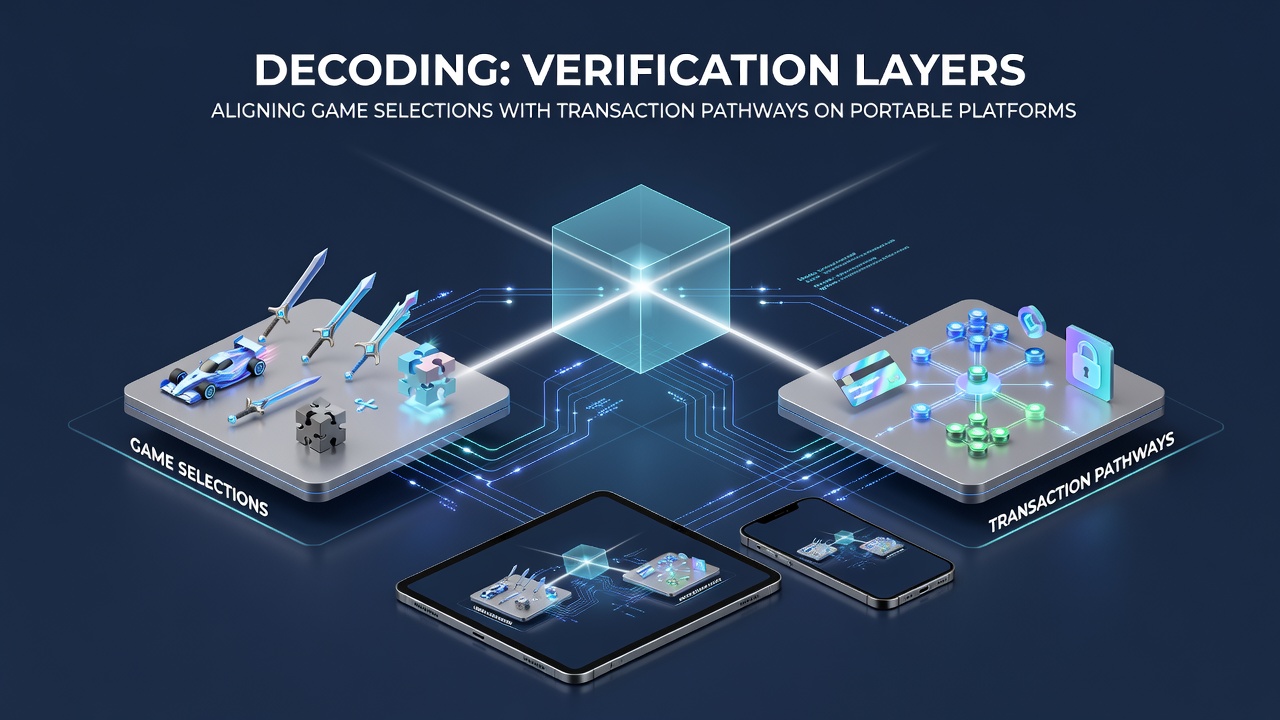
Portable platforms also incorporate geolocation services as part of the verification stack, which restricts game selections to those approved in the detected region while simultaneously directing transactions through compliant channels. Evidence from regulatory filings suggests this integration became more refined in early 2025, with updates scheduled for broader rollout by June 2026 to accommodate evolving international standards.
Practical Examples From Current Mobile Implementations
Take one operator that adjusted its verification sequence in response to new mobile security requirements, resulting in game menus that update dynamically based on completed checks. Users who complete identity verification gain access to a wider array of slot titles, each paired with transaction pathways that support instant deposits through integrated banking apps.
Another case involves platforms that tie loyalty program features to verified transaction histories, where game selections influence reward calculations processed through the same secure routes. Figures from trade group analyses show these alignments contribute to higher completion rates for both gameplay and financial operations on portable devices.
Regulatory Influences on Verification and Transaction Dynamics
Government agencies across different jurisdictions establish the frameworks that dictate how verification layers must interact with game offerings and payment systems, with variations appearing between North American, European, and Asian markets. Reports from organizations like the Malta Gaming Authority highlight how compliance audits examine these connections to ensure consistent application across mobile environments.
Academic papers published in recent years have analyzed data sets from multiple operators, finding that platforms with streamlined verification processes see improved alignment between selected games and authorized transaction methods. This occurs because each layer feeds information forward, allowing payment processors to validate amounts and frequencies against the user's established profile without separate approvals.
Yet the reality is that updates to these systems continue as new threats emerge, prompting operators to refine their approaches ahead of deadlines such as the June 2026 implementations referenced in several industry forecasts. Those who've studied the sector understand that these changes maintain the core alignment while adapting to technological shifts in portable hardware and software.
Conclusion
Verification layers ultimately serve as the connective tissue between game selections and transaction pathways on portable platforms, with each component reinforcing the others through data sharing and compliance checks. Research indicates that this structure supports secure operations across diverse regions while accommodating the demands of mobile users. As platforms prepare for upcoming regulatory milestones, the mechanisms described here provide the foundation for continued integration of identity verification with gameplay and financial routing.