Connections Between Verification Systems and Live Dealer Game Availability in Mobile Casino Software
Riley Perry · Jun 29, 2026
Connections Between Verification Systems and Live Dealer Game Availability in Mobile Casino Software
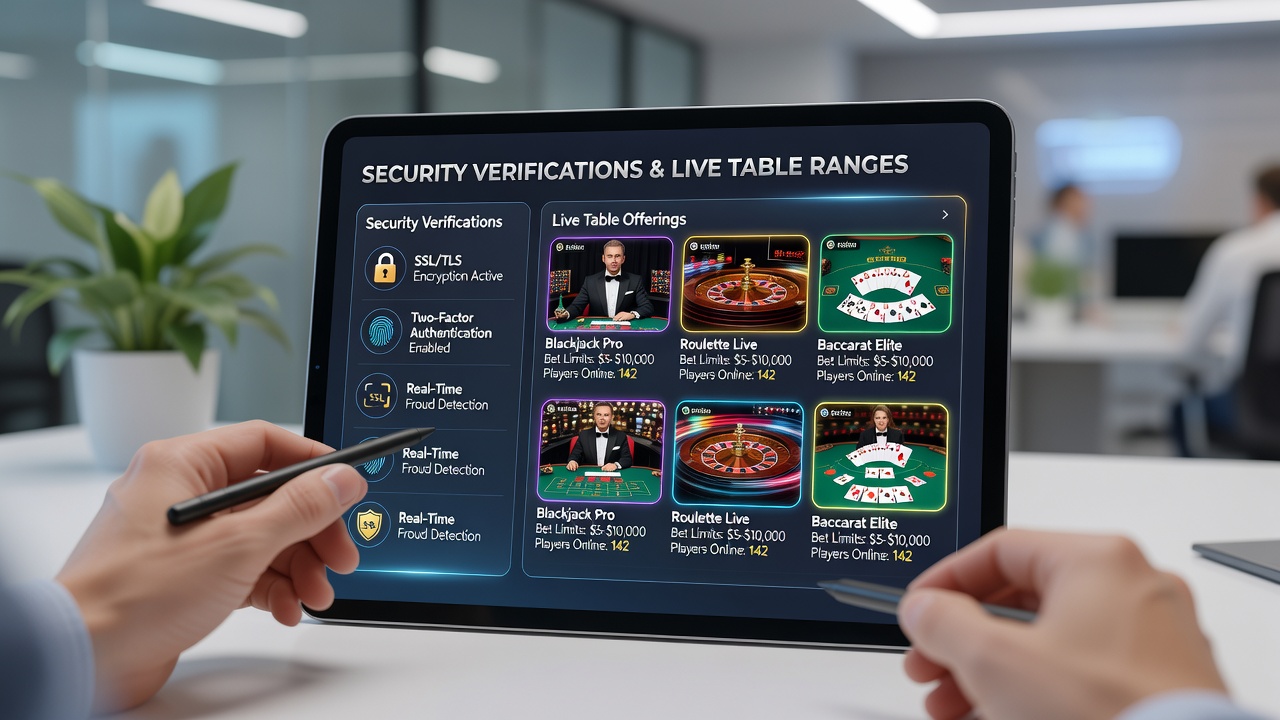
Portable casino software relies on layered security verifications to process user access while maintaining compliance with regional gaming rules, and these same processes often determine which live table games operators can offer through mobile channels. Data from regulatory filings shows that platforms must complete identity checks, device authentication, and encryption audits before expanding their live dealer catalogs, which include blackjack, roulette, baccarat, and poker variants streamed in real time.
Core Verification Components in Mobile Platforms
Operators integrate multi-factor authentication alongside continuous session monitoring, and this setup connects directly to the number of live tables a platform can host without triggering additional compliance reviews. Research indicates that systems certified under standards from the New Jersey Division of Gaming Enforcement allow developers to add more concurrent live streams once initial verification protocols are validated, because the same infrastructure supports both player onboarding and game integrity checks.
Device fingerprinting and geolocation services further restrict or enable certain table offerings, since regulators require proof that mobile sessions originate from approved jurisdictions before live dealer feeds activate. Those who've examined platform architectures note that tighter verification reduces latency issues during high-volume periods, which in turn supports wider selections of live tables without compromising stream quality.
How Certification Levels Shape Game Catalogs
Security certifications such as ISO 27001 and GLI-19 approvals correlate with the breadth of live dealer options available on portable apps, and operators frequently report that achieving these benchmarks unlocks partnerships with multiple studio providers. According to figures from the Malta Gaming Authority, platforms holding updated certifications introduced an average of 12 additional live table variants in the twelve months following approval, including regional variants like Dragon Tiger and Sic Bo that demand extra data protection layers.
Encryption strength requirements also influence which tables appear in mobile interfaces, because live streams carrying higher betting limits require stronger safeguards to meet audit thresholds. Observers note that this creates a practical link where enhanced verification opens access to premium live environments, while lighter protocols keep selections focused on lower-stakes options to stay within compliance boundaries.
Regional Regulatory Influences on Offerings
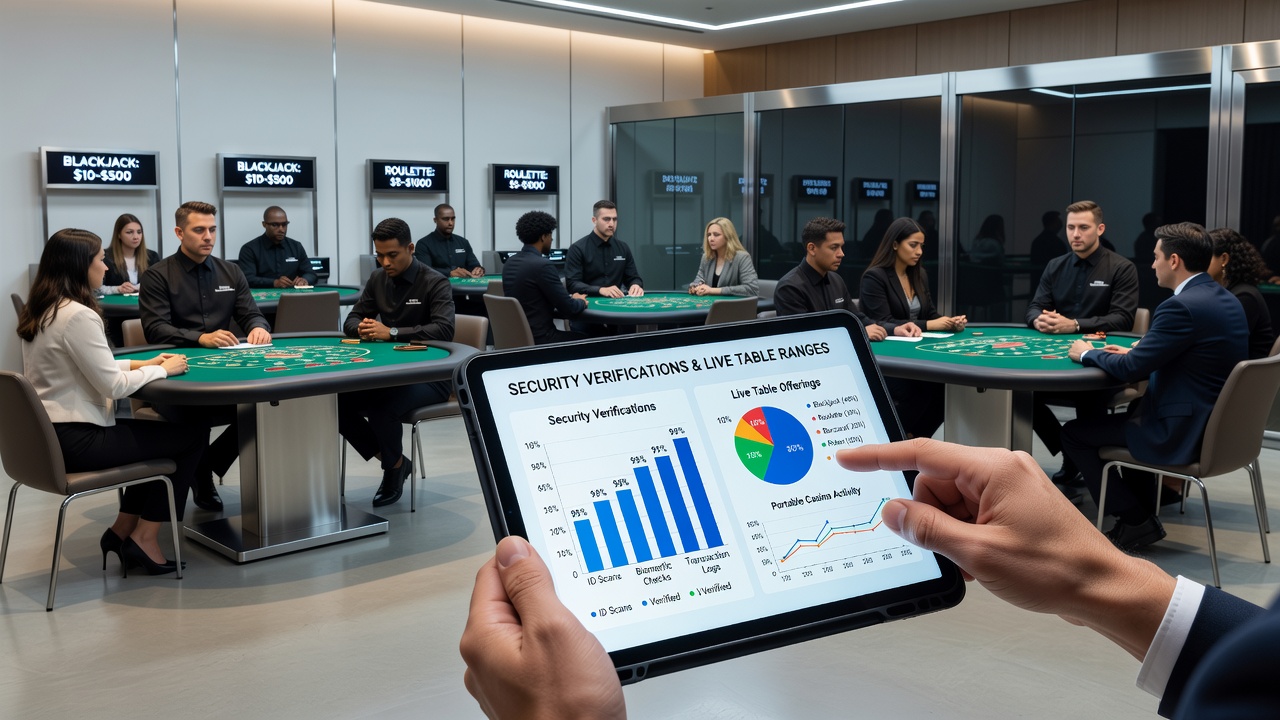
Different jurisdictions impose distinct verification timelines that affect live table rollout schedules, and June 2026 marks the planned implementation of updated mobile security guidelines across several North American markets that could standardize these processes further. Canadian provincial regulators have already signaled alignment with these changes, which may allow operators to synchronize verification upgrades with expanded live dealer libraries in a single deployment cycle.
Industry reports from the Asia-Pacific region reveal similar patterns where verification speed determines whether operators can feature localized live tables such as Fan Tan alongside international staples. When verification systems integrate seamlessly with game servers, platforms gain the ability to rotate table offerings dynamically based on player location data without separate compliance filings for each new variant.
Technical Integration Challenges
Developers face ongoing tasks when aligning security layers with the technical demands of live streaming, since each additional table requires dedicated bandwidth allocation and real-time fraud detection hooks. Studies conducted by university research teams in Australia have documented that platforms using unified verification frameworks experience fewer interruptions when scaling live table counts, because authentication tokens carry over directly into the streaming environment.
Software providers continue refining these integrations, and data shows that successful implementations allow mobile users to move between verified sessions and multiple live tables without repeated logins. This efficiency stems from backend systems that treat security verification and game access as interconnected modules rather than separate steps.
Conclusion
The documented relationship between security verifications and live table ranges in portable casino software centers on shared infrastructure requirements, certification benchmarks, and regulatory timelines that together govern what operators can deliver to mobile users. As standards evolve through 2026, these connections are expected to influence how platforms balance compliance demands with expanded game selections across different regions.